“Storytelling in our communities has always been a way of carrying knowledge forward, honoring relationships, and sustaining culture.”
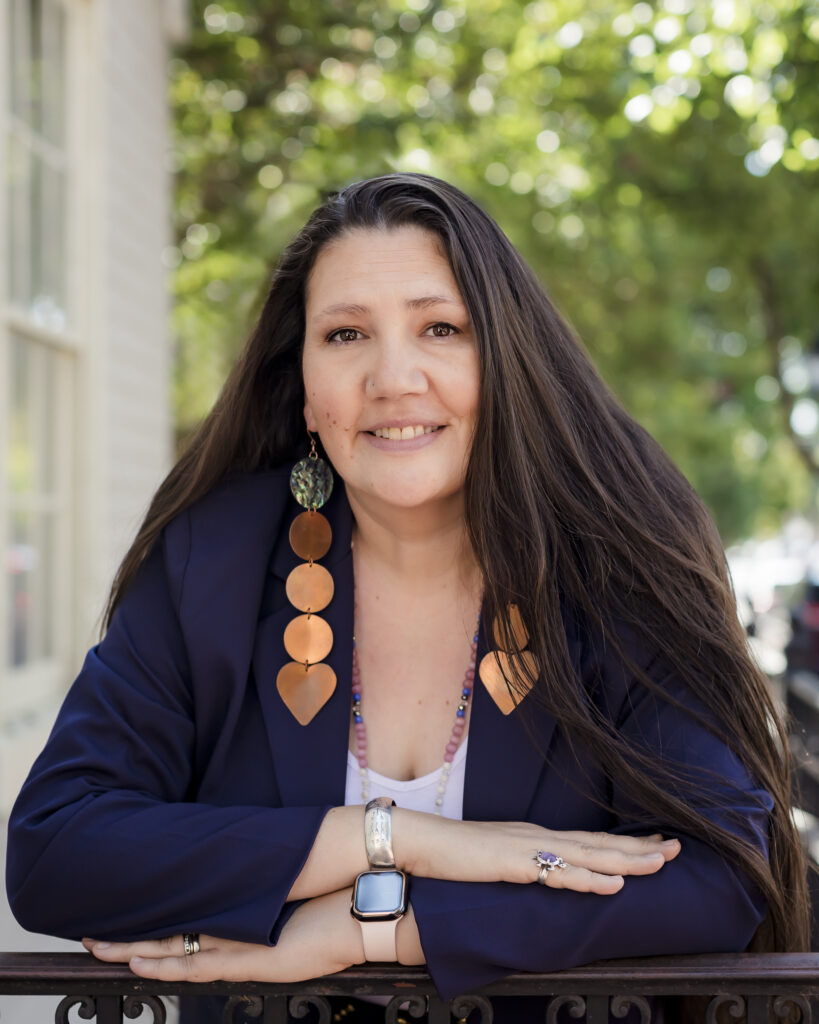
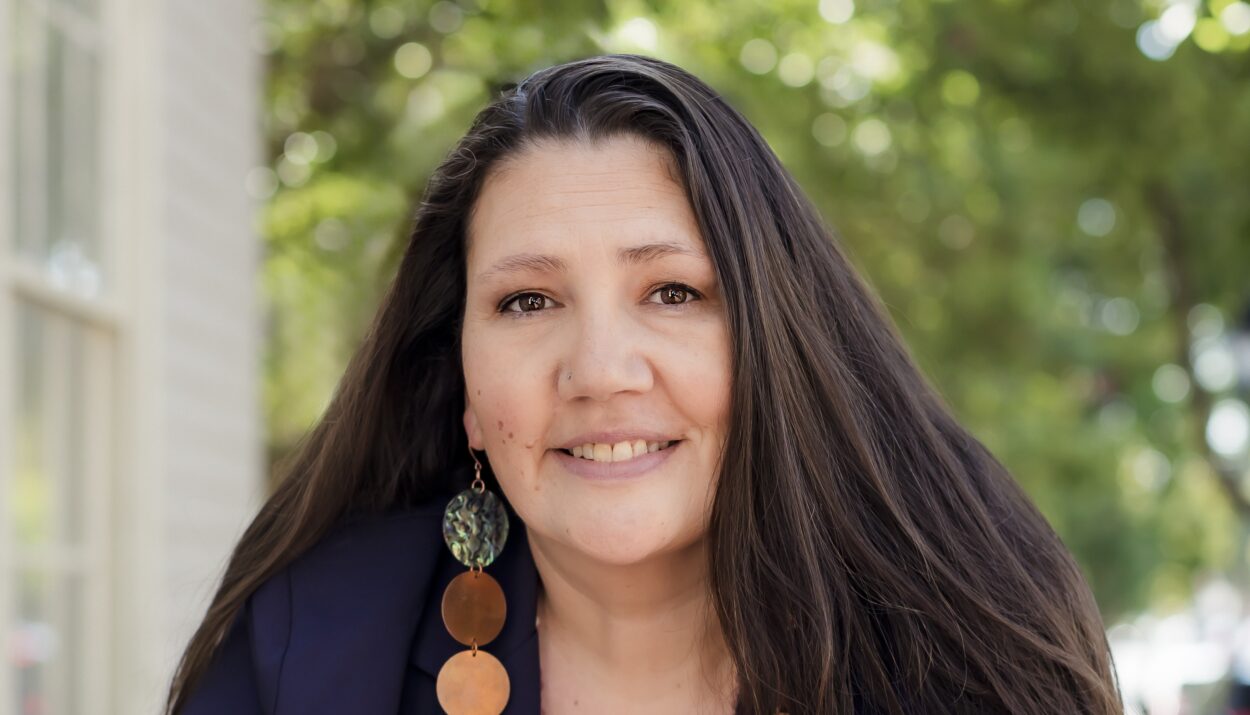
Welcome, Wunneanatsu, and thanks for agreeing to an interview! How about starting with your heritage. You are an enrolled citizen of the Schaghticoke Tribal Nation in Connecticut. Tell us about that please.
Yes, I am an enrolled citizen of the Schaghticoke Tribal Nation. My mother is Schaghticoke and my father is HoChunk of Wisconsin. The Schaghticoke are a small tribe located in the western part of what is now Connecticut. Historically, our territory covered out into New York and western Massachusetts. Our nearly 400 acre reservation was established in 1736 near the town of Kent. During my childhood, my grandmother’s house was one of 5 families still residing on the reservation. Due to economic opportunities, the majority of the tribe lives off the reservation.
And you were born and raised in southern New England, correct?
Yes, I grew up in Connecticut, mostly in Meriden but spent a good portion of my childhood living with my grandparents on the Schaghticoke Indian Reservation.
When did storytelling first captivate you?
Storytelling was never something I “discovered”—it was something I was raised within. In my family and community, storytelling is a way of teaching, remembering, and sustaining knowledge across generations. My grandmother was a tribal historian, educator and Master storyteller. I grew up listening to her stories. Every moment with her was a teachable moment that often led to a story. A walk to the outhouse became a lesson on identifying plants along the way and maybe a story about corn, beans and squash. A quick walk in the snow became — “Wunneanatsu, what animals prints do you see?” “Yes, good, that is rabbit. Let me tell you a story about why rabbits’ ears are so long.”
Growing up in southern New England and within our ancestral territories, I was surrounded by the landscapes and stories of our homelands, and I learned early on that our histories are not confined to the past—they are living, carried through relationships, the art of storytelling, and cultural practice. That understanding continues to guide my work as an educator and storyteller.
Did you have any mentors?
My grandmother, Trudie Lamb-Richmond. She was and continues to be everything I hope to be when I grow up.
I do want to add that I’ve been fortunate to learn from many mentors throughout my life and career, both formally and informally, but I also think it’s important to recognize that mentorship in Indigenous communities often extends beyond formal titles and instruction. It includes elders, family members, and community knowledge keepers. My grandmother was central in my life, and her influence continues to shape how my pedagogical approach in education and storytelling today.
You went on to earn a bachelor’s degree in history at American Military University. Details, please.
Yes, I have a BA in History with a concentration in Native American Studies. I started with AMU when my husband got stationed overseas in Italy and we moved there. My MA in American History is from Gettysburg College.
And what about where you earned your teaching certification?
I completed a post-baccaleureate career switcher program in Secondary Social Studies & History Education with Shenandoah University. I am certified in both Social Studies & History and English for Speakers of Other Languages (ESOL). I also earned a microcredential in Culturally Responsive Teaching from Virginia Commonwealth University and a certification in Peacekeeping Operations from the United Nations Peace Operations Training Institute.
One of your many honors is when you were named the 2024 Virginia & National History Teacher of the Year by the Gilder-Lehrman Institute of American History. Again, details please.
My academic and professional path has always been guided by a commitment to teaching history more truthfully and inclusively. As a classroom teacher in Virginia, I worked to center narratives that are often left to the footnotes, particularly Indigenous and African American histories. I became a teacher to be the voice for children who didn’t see themselves reflected back on the pages of their history books or felt their place in history didn’t matter. Being named the 2024 National History Teacher of the Year by the Gilder Lehrman Institute was humbling and meaningful but also, not just as a personal honor, but as recognition of the importance of this work—of ensuring that students allowed opportunities to be in conversation with and encounter a fuller, more accurate understanding of the past.
Can you give us a summary of your many duties now at Brown University? The link below has more details.
At Brown, my work is centered on supporting Native and Indigenous students while also advancing broader educational and community initiatives and strengthening tribal diplomacy with a regional focus. This includes program development, mentorship, and collaborating on projects that reframe how Indigenous histories and contemporary experiences are represented in academic spaces. At its core, my role is about building pathways and creating space where Indigenous knowledge and scholarship can thrive. This includes ensuring that Indigenous students feel seen and supported, and that institutions are accountable to the communities they engage with.
Have you connected with Lorén M. Spears, a member of our Advisory Board and someone we’ve known and respected for many years?
Yes, Lorén is a lifelong friend. Our families, especially her mother and my grandmother, go back to before I was born. Lorén and her family are exceptional educators who have made unparalleled contributions to Indigenous education in our region.
You are a prolific writer. Please give us an overview of your publications.
My writing spans academic, educational, and public-facing work, including contributions to anthologies like Dawnland Voices. I have also written classroom leveled-readers for literacy companies as well as lesson plans, textbook content and educational materials for organizations such as McGraw-Hill Education and the Library of Congress. Across all of it, my focus has been on expanding how Indigenous histories are told and taught—particularly in ways that are accessible, accurate, and firmly established in community knowledge that prioritizes the lived experiences of Indigenous peoples.
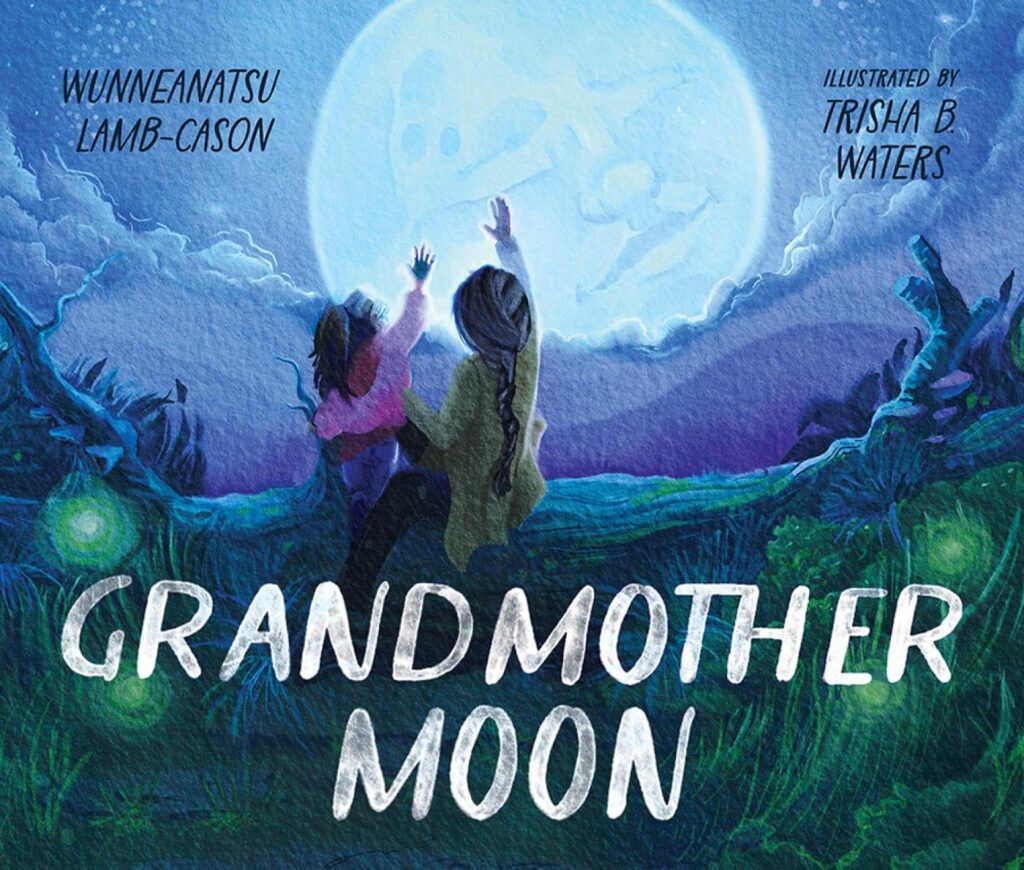
Your debut children’s book, Grandmother Moon, was published in 2025 and it’s a wonderful volume — and it’s also beautifully illustrated by Trisha A. Walters. Any more children’s or YA titles in the works?
Thank you! Grandmother Moon is a special story that comes directly from my childhood and the teachings and stories from my grandmother. I do have additional projects in development, including more children’s and young adult work that continues to center Indigenous perspectives and storytelling traditions.
Since we are based at Salve Regina University, we should mention that you have a daughter who is enrolled here as a Pell Honors Student undergraduate. You must be very proud. What is she studying?
Yes, our daughter, Wunneonatsu Annalyce, is a Pell Honors student in the 5-year bachelors/masters clinical psychology program and a minor in Healthcare Administration. She also serves as a freshman RA and is also looking to begin a Native American and Indigenous Student group on campus. We are very proud of her hard work and dedication.
What advice do you offer young Natives — and young people in general — who are drawn to storytelling?
For young Native people who feel drawn to storytelling, I would say Take the time to listen as much as you speak. Learn from your elders, your families, and your communities, and understand that storytelling comes with responsibility. Finding your voice and style matters—not just as self-expression, but because your voice is part of something bigger and ongoing. Storytelling in our communities has always been a way of carrying knowledge forward, honoring relationships, and sustaining culture.
For young people more broadly, I would encourage them to think about storytelling as a way of building understanding and connection. We live in a time when stories shape how we see one another, and there is real power in telling stories with regard, authenticity, and respect. Don’t be afraid to tell important and inspiring stories but also be thoughtful about how and why you tell them.
Lastly, what’s next for Wunneanatsu Lamb-Cason?
In addition to continuing to write, I’ve been doing great deal of speaking engagements — keynotes, book talks, conferences and professional development workshops — where I can engage directly with people around the importance of Indigenous knowledge and storytelling as scholarship and methodology. Those spaces for dialogue, networking and connection feel particularly impactful right now.
While I’m continuing to build on my work as an educator, author and advocate, in this moment, I’m really just focused on being present in community. After living away from Connecticut for more than 20 years due to my husband’s military career, returning home has been so healing and joyful.