Trauma can persist if left unaddressed
PROVIDENCE — Like untold numbers of people in Rhode Island and beyond, once Linda Hurley learned of the mass shootings at Brown University on Dec. 13, she became what she described as “glued” to the torrent of media reports.
“As in any tragedy of this type, it didn’t feel real for hours and hours,” Hurley, CODAC president and CEO, told Ocean State Stories in an interview. “You’re horrified. You feel sick.”
That it happened in Rhode Island intensified her reaction, Hurley said.
“Emotionally, it just was astounding to me. I grew up outside of Philadelphia. Homicides were reported every day because Philly was the fourth largest city in the country.
“I moved to Rhode Island and actually lived in Providence for several years. Here, homicide is not a regular experience. I got desensitized to it, really. And so [the Brown shootings] almost felt like a home invasion. None of us expected that in Rhode Island.”
Individuals traumatized by the shootings have come to CODAC centers seeking help, Hurley said. Some are people who are not new to trauma.
“Many individuals have experienced violence when they were younger or violence in the country from which they came,” according to Hurley. “We’re looking at assisting people and reminding them of the resilience they’ve built. Ninety-three percent of the people we serve have significant trauma in their lives.”
The shootings have also taken a toll on some staff members, Hurley said.
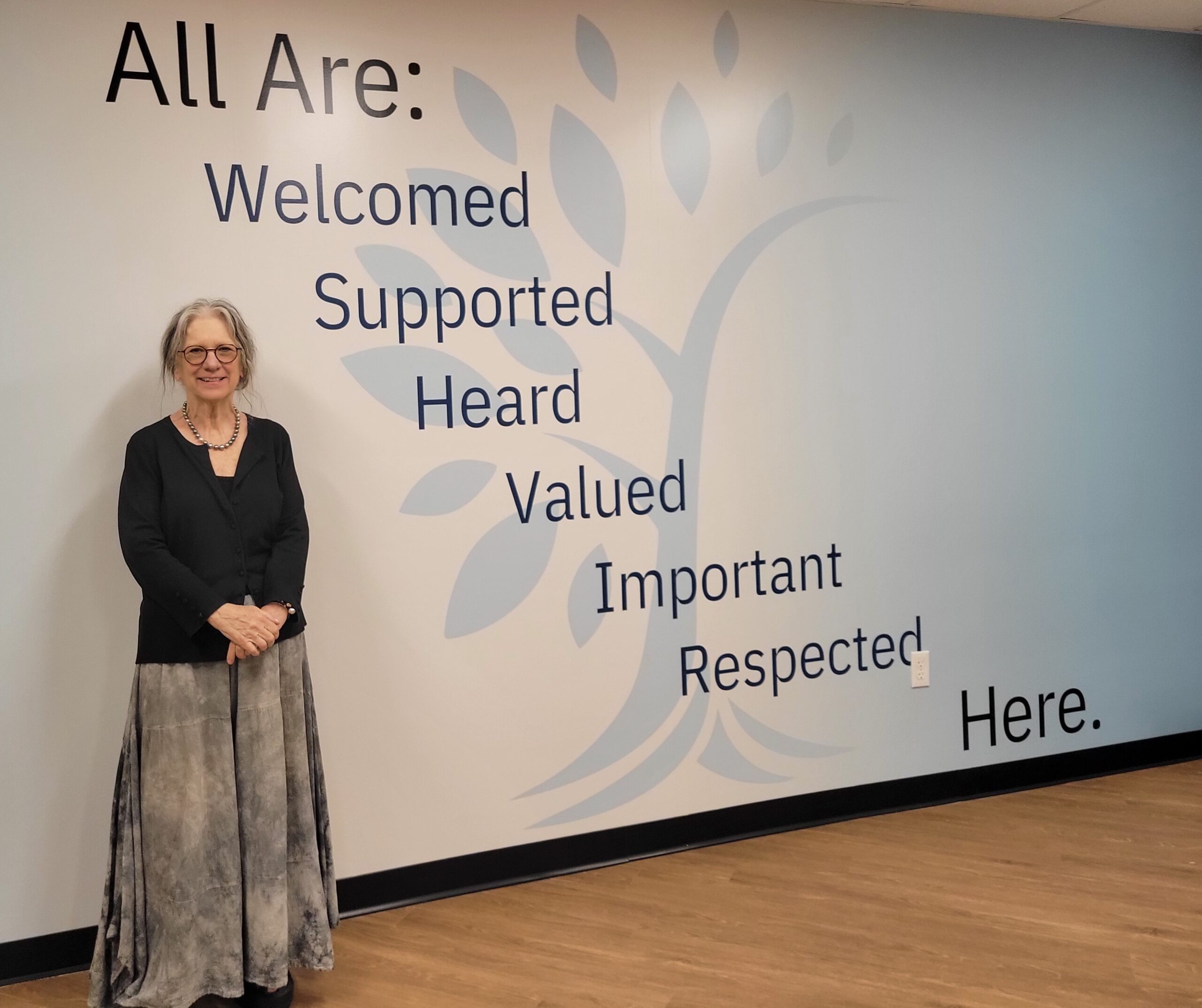
In interviews earlier this month, two Brown University Health professionals shared their insights with Ocean State Stories.
“First and foremost, we just want to acknowledge that it was a horrific act and incident that people experienced,” said Dr. Deidre L. Donaldson, clinical director of Gateway Healthcare’s Child & Family Outreach & Healthy Transitions programs.
“After a traumatic event like this, there are going to be emotions, thoughts, and physical reactions that can really feel very disorienting and overwhelming” said Dr. Russ Marks, staff psychologist in the Trauma Track Partial Hospital Program.
Immediate reactions to the shootings may not be the long-term reactions, Marks and Donaldson agreed.
“Time is really important here because when something like this happens, how each individual experiences it is really going to somewhat determine how it plays out over time,” Donaldson said. “Responses are very individualized and families need to be aware of that. Even within the same family, there can be different meanings of the trauma for each of the individuals in the family.
“And certainly your age [influences] how you understand the trauma and what it means to you or how you make sense of it. So I think this issue about how you cope at any particular or given time afterward is a very important one because there’s the nature of it being individualized. Then there’s also the fact that we expect that one’s reaction to something that is perceived as traumatic or is experienced as traumatic will change over time in some way, shape, or form.”
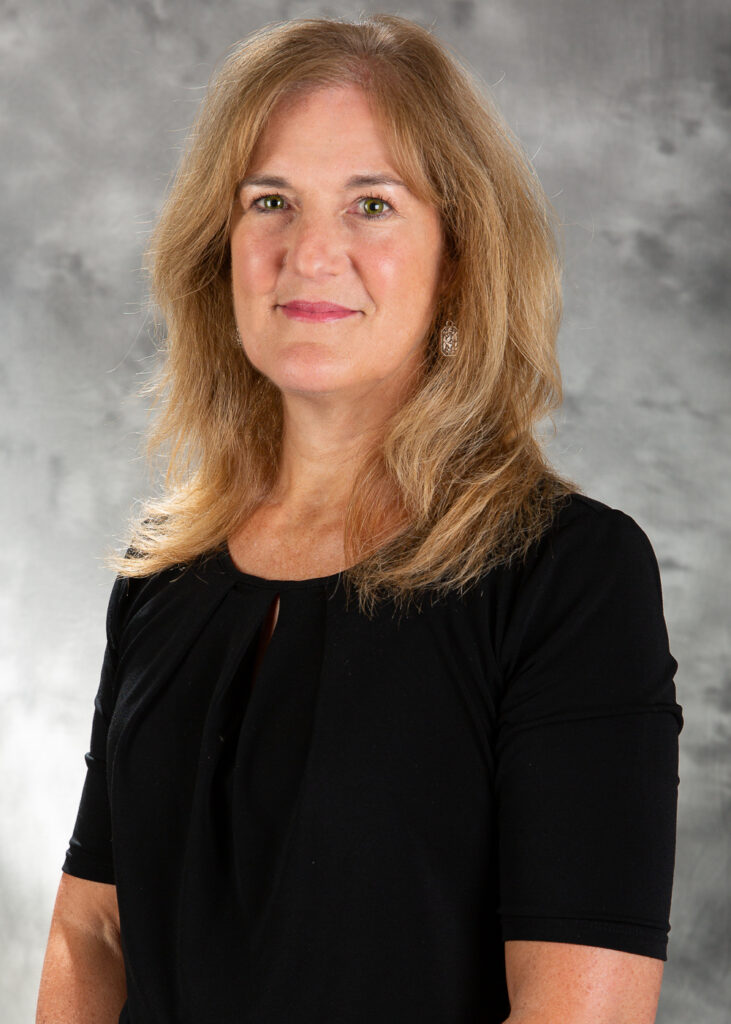
Said Marks: “After this, emotions are going to be high. This could be anxiety, anger, fear, worry about it happening again, worry about safety or just a sense of helplessness in all of this. Conversely, this could also feel like the complete absence of emotion for people. This could be like a sense of numbness or disbelief or shock. So that’s an emotional part of this. If we’re thinking about changes in thinking and cognition, this could feel like not being able to make sense of this, not able to process it. This can show up in sort of indirect ways, like difficulty with concentration or focus, or, you know, affect other areas like sleep or nightmares.”
Longer-term, “not immediately after a traumatic event,” according to Marks, people may suffer from PTSD. “That’s when you’re [experiencing] intrusive thoughts or flashbacks.”
Physical reactions can also occur, Marks said.
“This could be feeling very easily startled or on guard or even having headaches or just GI distress. All of these experiences, all of these changes, can really lead to shifts in how we’re responding and our actions like withdrawing or isolating, which I think to Dr. Donaldson’s point is why it’s so integral to maintaining connection so that people aren’t withdrawing and these reactions aren’t crystallizing into what could later become PTSD.”
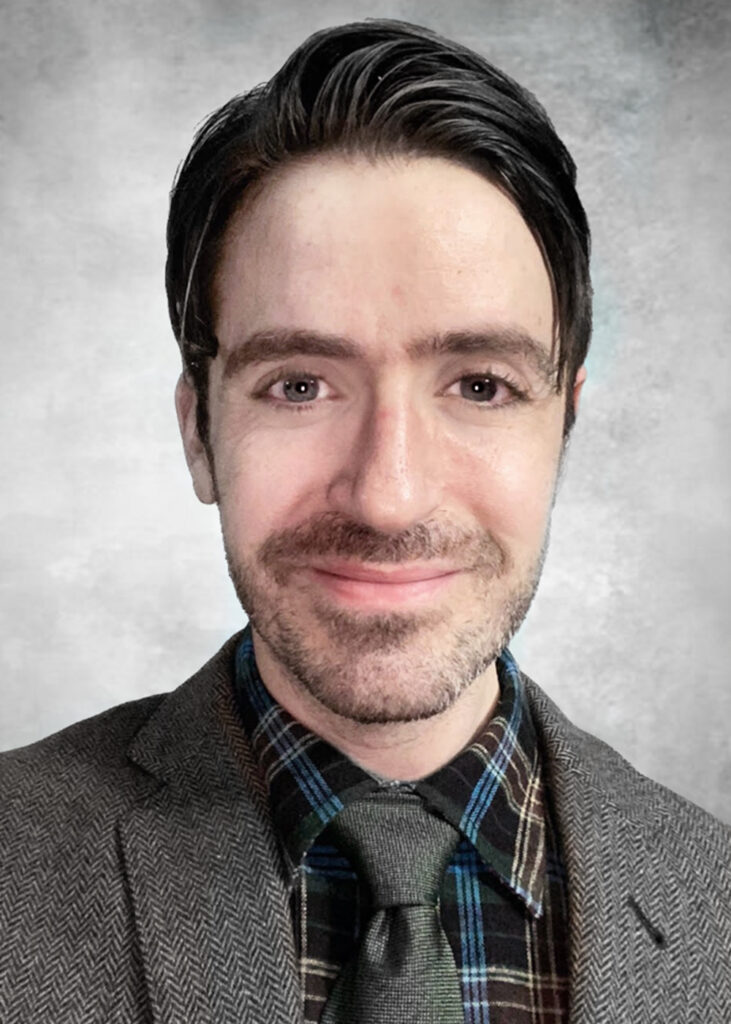
Professional intervention may be warranted, according to Marks and Donaldson.
“What we look for is whether changes persist,” Donaldson said. “If children were fine attending school before this happened but afterward it has been a lot shakier with respect to school attendance and that seems to not be getting any better” parents should seek expert help. The same holds true for adults who are having difficulties, Marks said.
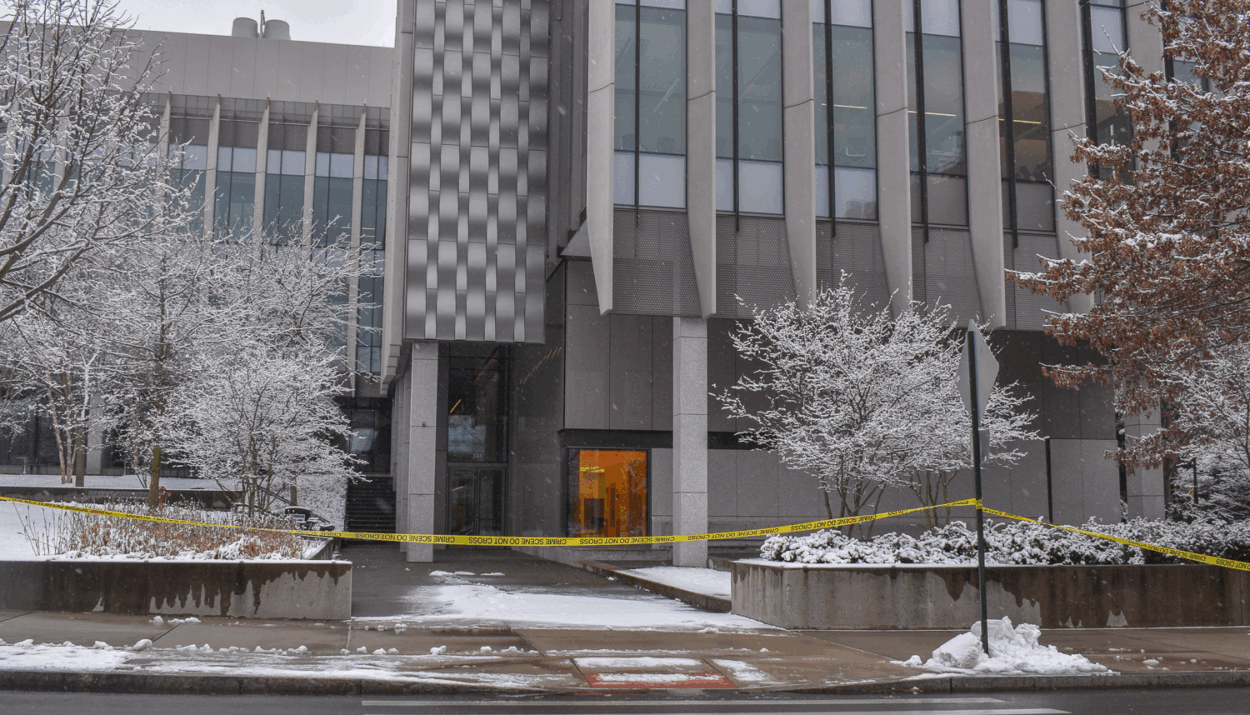
Beth Lamarre, executive director of NAMI Rhode Island, Rhode Island’s chapter of the National Alliance on Mental Illness, learned of the shootings from a Google alert sent to her phone. Her office is about a block from where they took place: Brown University’s Barus & Holley building, located at 184 Hope St.
Her reaction as the hours passed?
“Both belief and disbelief, if that makes sense,” she told Ocean State Stories. “Disbelief that something like that would happen in such proximity because we’re given these false illusions that small community and university and money are protection against bad things happening.
“Of course they’re not, but it gives you that false sense of security. So for something like that to happen in this area was surprising because we just assume that it won’t — but also just given the rate of gun violence deaths and incidents such as this elsewhere, I guess it shouldn’t necessarily be surprising.”
Support groups offered by NAMI, Lamarre said, can be helpful.
“Some are just generalized support groups. Anybody can drop into them as far as NAMI Rhode Island is concerned. And there are NAMI support groups in every state. Some of them are virtual. Some of them are in -person. And some are a hybrid of both. If somebody is seeking a support group, they can contact us.”
“If the person who’s seeking help is more tied directly to the Brown community,” Lamarre suggested TimelyCare, a free virtual service, as a resource.
Her other advice?
“Create a network of community with other people” affected by the shootings, she said. “Having other people who feel like they’ve been through the same incident and being able to talk that out is one of the best things that you can do for yourself and it’s a step towards recovering from it.
“Definitely don’t keep any of those things to yourself. A lot of people don’t go to therapy or seek out support from loved ones because they think maybe it’s not justified. They think ‘maybe my experience isn’t as bad as someone else’s experience, or my feelings aren’t as big as someone else’s feelings, and then they disregard those feelings. But just because you don’t talk about them doesn’t mean they go away. They’re there and they’re going to end up compounding into something bigger” without action.”
Like others interviewed by Ocean State Stories, Lamarre emphasized that time must be factored into the equation.
“Healing is not a linear process,” she said. “So even if you think perhaps that you’re past a feeling that you might have today, it could come back and surprise you at a later date. Maybe there’s something similar that you see in the news, or there’s a triggering event that’s completely unrelated, but it brings back those same feelings. That’s a totally normal and very typical experience.”

Reached by email, two other mental health experts also gave guidance.
“I would start by acknowledging the collective grief and trauma we have experienced — how this unforeseen tragedy may have forever changed how we see Rhode Island,” Laurie-Marie Pisciotta, executive director of the Mental Health Association of Rhode Island, wrote. “I think many of us believed Rhode Island to be immune from this kind of senseless violence, perhaps because we are such a small state. They say it’s six degrees of separation everywhere else, but in Rhode Island, it’s more like two or three.
“I would also reinforce that each of us experiences trauma differently. Some of us feel numb, fearful, angry, sad or grief. Perhaps our nervous system is on high alert. All this is normal and to be expected. It’s important to pay attention to the body’s signals.
“Acknowledge your feelings without judgement. Meet them with compassion. Don’t try to rush through or ignore your feelings. Stay connected to your family and friends. Share your feelings. If intense symptoms persist—panic, nightmares, intrusive thoughts, social withdrawal, hopelessness, or thoughts of self-harm—it’s time to reach out for professional help.”

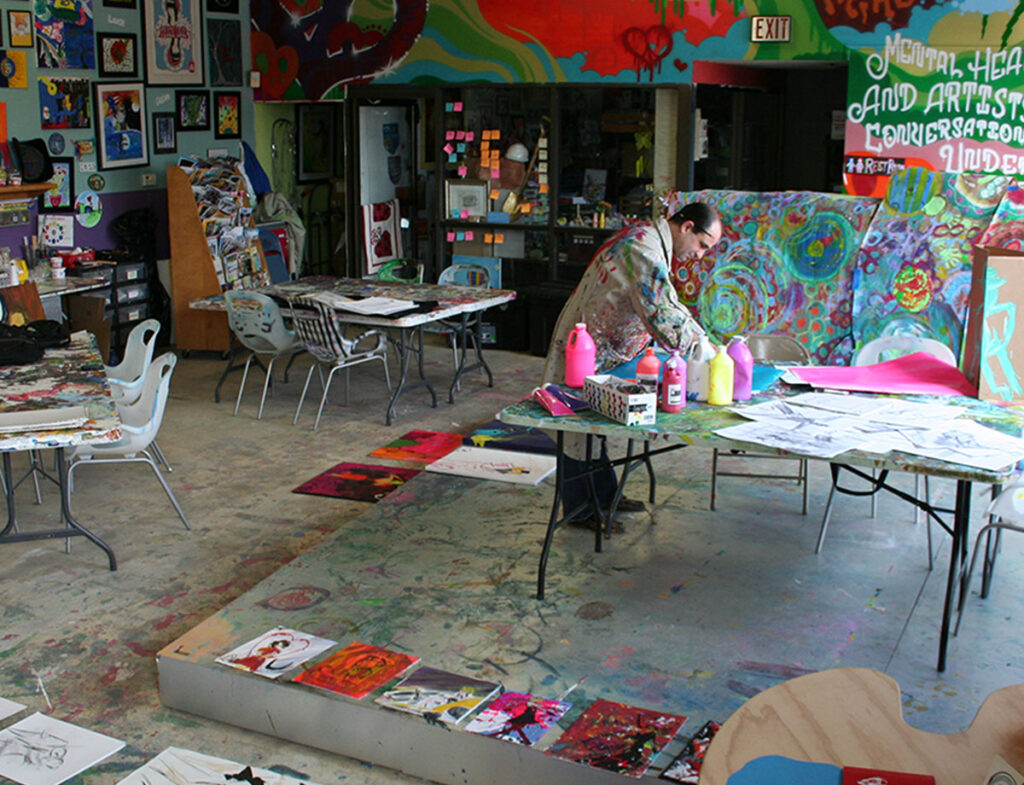
Jeff Sparr, artist and cofounder of PeaceLove, whose mission is to promote “mental wellness by using creativity and expression to inspire, heal, and communicate,” wrote that “art, writing, and movement help survivors of traumatic events feel validated in their experiences. Art allows for imagery and metaphor to express what words cannot. It becomes a safe way for survivors to explore traumatic events, and then restructure and recreate personal stories of the event that aid in understanding abstract and emotional experiences.
“The creative process can be both exciting and frustrating, and shifting between these during the creative process can mimic the fluctuating emotions of grief. Being able to navigate the shifting of emotions involved in creative expression provides survivors the opportunity to practice regulating emotions.”
CODAC head Hurley urged individuals to “garner support” from friends, family, and communities one may belong to. “Talk about what you’re experiencing, how you are feeling. Sometimes, people don’t want to talk about it because they feel so impotent. ‘We couldn’t stop it. We couldn’t help it.’ But to be able to just talk about that is what really is helpful. When you isolate with a feeling of impotence or feeling like ‘I can’t control the sadness in the world’ is when you become overwhelmed and basically that’s depression. We need to utilize each other’s strengths, however you do it.”
Anyone in immediate danger should call 911.
Call 988 or text HOME to 741741 if you are having thoughts of suicide or are in crisis. 988 is free, available 24/7, and confidential.
Other resources:
● Brown’s Trauma-Informed Resources page has several suggestions for help. To read, click here.
● BHLink: For confidential support and to get connected to care, call or text 988 or (401) 414-5465 or visit the BHLink 24-hour/7-day triage center at 975 Waterman Ave., East Providence. Website: bhlink.org
● The Samaritans of Rhode Island: (401) 272-4044 or (800) 365-4044. Website: samaritansri.org
● The Crisis Text Line: Text HOME to 741741 “from anywhere in the USA, anytime, about any type of crisis.”
● Butler Hospital Behavioral Health Services Call Center: Available 24/7 “to guide individuals seeking advice for themselves or others regarding suicide prevention.” (844) 401-0111
● “Coping Tips for Traumatic Events and Disasters.” From, the federal Substance Abuse and Mental Health Services Administration, with links to other resources. To read, click here.
● “Helping your children manage distress in the aftermath of a shooting.” From the American Psychological Association. To read, click here.
● “Age-related reactions to a traumatic event. Explains how children of different ages may react to traumatic events and offers simple strategies for parents, caregivers, and communities to provide support and promote healing.” From the National Child Traumatic Stress Network. To read, click here.