
Intestinal ultrasound is non-invasive, avoiding colonoscopy or imaging
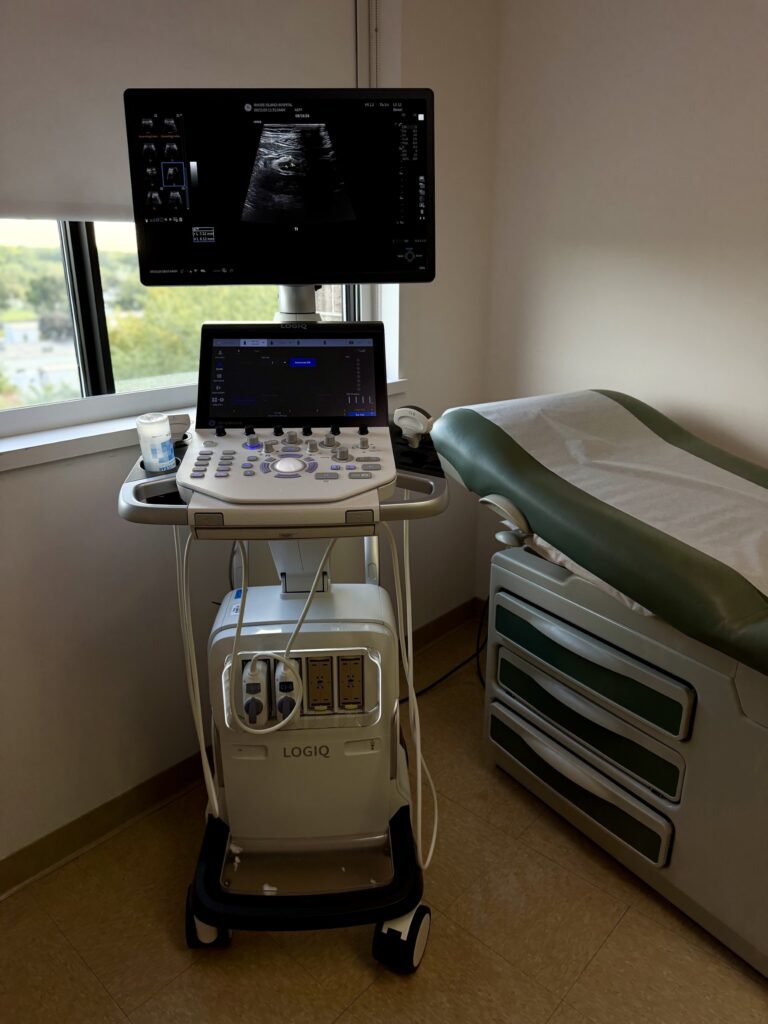
PROVIDENCE –– A non-invasive procedure for evaluating people with inflammatory bowel disease, IBD, is now being used on children and adults served by Brown University Health. Brown is the first and only provider in Rhode Island to offer it so far.
The procedure, intestinal ultrasound, “gives us the ability to assess disease activity in real time, avoid unnecessary procedures and make treatment decisions more quickly, all while improving the patient experience,” Brown Health Inflammatory Bowel Disease Center Director Dr. Sean Fine said in a recent media release.
Speaking with Ocean State Stories, Fine elaborated.

“Intestinal ultrasound is a new modality in the U.S., although it’s been used in Europe for many, many years now,” he said.
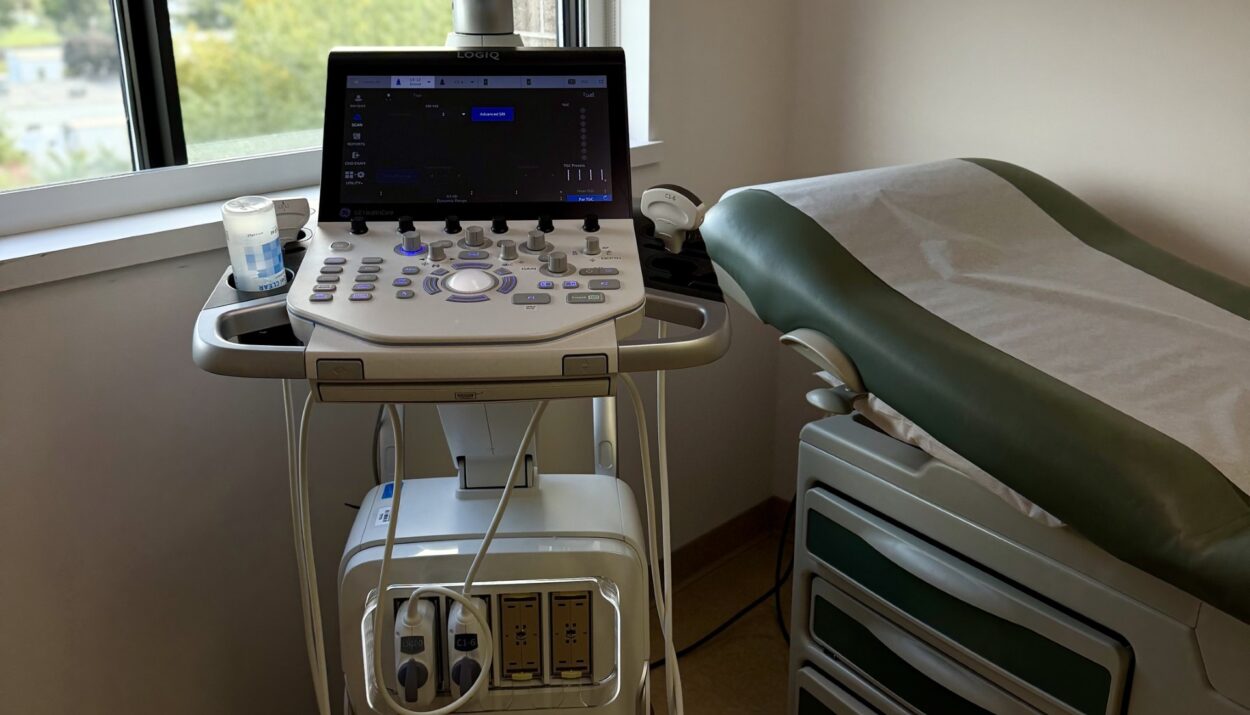
“It’s the same concept that we use in an ultrasound machine, which patients might be familiar with for pregnancy or when you’re getting your gallbladder evaluated. We use the same technique, but now in a different application where we can look specifically at a patient’s intestinal health and get some measurements and be able to tell if there’s any inflammation, if there’s any increased blood flow –– all the markers that signal there might be something more going on with the patient’s disease.
“We’re using this specifically in patients with inflammatory bowel disease, namely Crohn’s disease and ulcerative colitis.”
The ordinary test for inflammatory bowel disease is a colonoscopy — what Fine calls “the gold standard. A lot of patients are also getting other modalities such as imaging –– MRIs or CAT scans –– which unfortunately can’t be done at the time of the appointment, as well as stool samples, which patients would have to often go home and collect and bring back to the lab.”
Preparation for a colonoscopy involves restricting diet and drinking a laxative medication such as GoLYTELY the day before the exam, a regimen that causes diarrhea frequently accompanied by bloating and abdominal cramping. Since anesthesia is required, a patient must arrange transportation to and from a center. The procedure involves insertion of a probe into the colon while the patient is sedated, in a state that is often called “twilight sleep.” Patients typically feel no pain and remember little or nothing of the procedure when awake.
With intestinal ultrasound, according to Fine, patients “don’t have to do any prep. They just come into the office as is. If you’re doing a colonoscopy, you’re going to have to drink the [laxative medication]. If you’re doing imaging, sometimes you have to drink contrast dye or get an IV.”
According to the Centers for Disease Control and Prevention, untreated IBD “can lead to health complications both inside the gastrointestinal (GI) tract and outside the GI tract (called “extraintestinal manifestations.”)”
The CDC lists the possible side effects:
“Complications inside the GI tract include
“Dehydration
“Not absorbing enough essential nutrients.
“Increased risk of colon and rectal cancers
“Complications outside the GI tract include:
“Low red blood cell count (anemia)
“Reduced bone density
“Joint pain
“Skin changes
“Eye irritation
“Delayed or impaired growth in some children
“Mental and emotional well-being
“IBD can impact a person’s quality of life, increasing the risk of mental health challenges. These may include:
“Depression
“Anxiety
“Feelings of distress or being overwhelmed
“Other mental disorders
“Medication and managing symptoms
“Keeping up with medication is the best way to control IBD symptoms and flare-ups.”
Fine’s colleague, pediatric gastroenterologist Dr. Shova Subedi, Associate Director of the Pediatric Inflammatory Bowel Disease Center, heads a team at Hasbro Children’s Hospital that provides intestinal ultrasound to children and adolescents.

“Intestinal Ultrasound has changed how we care for children with inflammatory bowel disease,” Subedi said in the media release.
She continued: “Because it is noninvasive and can be performed during a routine clinic visit, it helps families better understand their child’s condition and allows us to monitor response to treatment more closely, allowing Brown University Health to provide more comprehensive patient-centered IBD care.”
Brown began offering intestinal ultrasound in March, and well over 100 patients have undergone the procedure. The feedback, according to Fine, has been universally positive. “They really do prefer it,” he said.
With colonoscopies and imaging, patients learn the results after the procedure, and that can result in questions and time-consuming consultations with practitioners.
With intestinal ultrasound, those are avoided.
“We show the results to the patients with us in the room, and so they can see them and say, ‘yes, that does look bad’ or ‘that looks inflamed,’ ” Fine said. “And when they come back to see us in a few weeks, once we make our treatment changes, they can see that response in real time, see if we’re getting what we want out of the meds. So I think that’s the added benefit: the patient understanding their disease process, which is very helpful.”