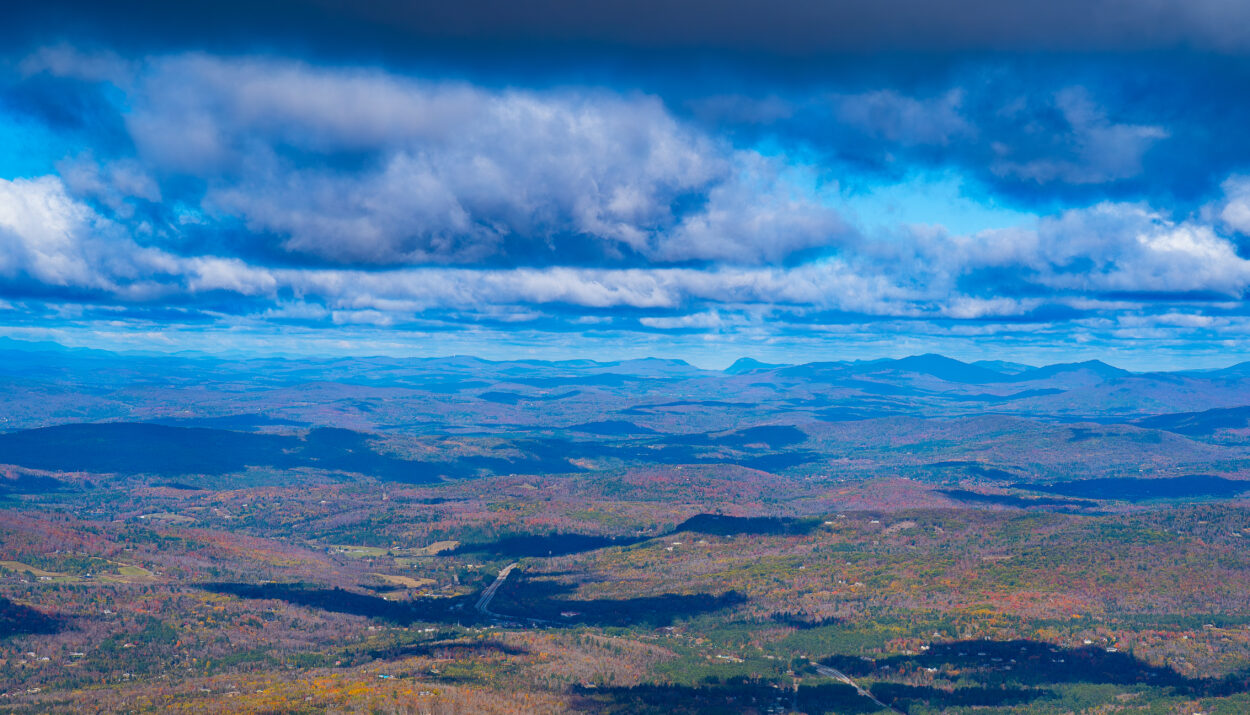

“Rather than ending abruptly, summer in Rhode Island is gently packed away for the colder months. In its place emerges a season of crisp shadows, earlier evenings, and new routines – offering its own distinct charm, even to those who initially resist the end of summer.”
Somewhere around the last week of August, without a single dramatic moment, Rhode Island quietly changes its mind about summer. One weekend, the yard is full of wet towels, and the next, it is full of tarps, bungee cords, and the shorter, colder days Labor Day warns us of.
But summer doesn’t end all at once. It ends in stages – leaking out like the last drops of water from a sand-toy strainer – with a few surprise waves to keep you on your toes. Within days, backpacks and new shoes appear by the door, and reluctant school-supply trips consume those last humid afternoons. Family vacations wrap up too, giving way to long weekends closer to home. It is a small, quiet unraveling that happens on cue, whether families are ready or not.
The Physical Adjustment
Rhode Island’s public school calendars cluster tightly at the end of August and the first week of September. Providence, South Kingstown, Narragansett and Westerly have typically opened right around Labor Day in recent years, while districts including Warwick, Tiverton, Scituate, Smithfield, North Providence and West Warwick have started earlier, some in the last days of August. For families juggling beach season and back-to-school shopping in the same week, there is no gentle transition.
The rest of the turnover follows a similarly compressed script. Beach passes, still technically valid, start collecting digital dust. Sprinklers are shut off, and hoses are disconnected. The last of the sand-flecked sunscreen migrates from the bottom of the beach bag to the bathroom cabinet, until it is found and discarded the following June. Grills that ran nightly go quiet except for the occasional Sunday.
Even the sensory delights of the evenings change, swapping the soothing sounds of peep toads and crickets to the gentle scrapes of the first fallen leaves and the faint smell of wood smoke in the air. Temperatures follow, with warm afternoons giving way to cool mornings by mid-September, and closets transitioning from tank tops and shorts to flannels and jeans.
Farm stands that sold corn and tomatoes in August pivot almost overnight to pumpkins, mums, and cider, and watermelons and peaches at Dave’s gradually disappear.
Furnaces and boilers receive their annual tune-ups, chimneys are swept, and in some households, wood gets split and stacked ahead of the first hard freeze, ahead of the great New England hibernation.
Shorter Days Can Bring on the Blues
For a number of Rhode Islanders, the diminishing daylight triggers a biological reaction. Seasonal affective disorder (SAD), a type of depression connected to the changing seasons, is driven by reduced sun exposure during the winter months. Data from the National Institute of Mental Health indicates that the condition becomes more widespread in higher northern latitudes.
As such, shrinking daylight hours disrupt the body’s circadian rhythm. With shorter days, elevated melatonin production signals the body to crave sleep earlier, which can disrupt sleep patterns, appetite, mood, and daily energy levels.
Johns Hopkins Medicine notes that symptoms of the most common form, sometimes called winter-pattern SAD, tend to begin in late fall and ease by spring, with women affected more often than men.
A 2026 overview from Rutgers University’s Brain Health Institute estimates that roughly 5% of the U.S. population experiences full seasonal affective disorder, with another 9% to 10% affected by a milder form often called the “winter blues.”
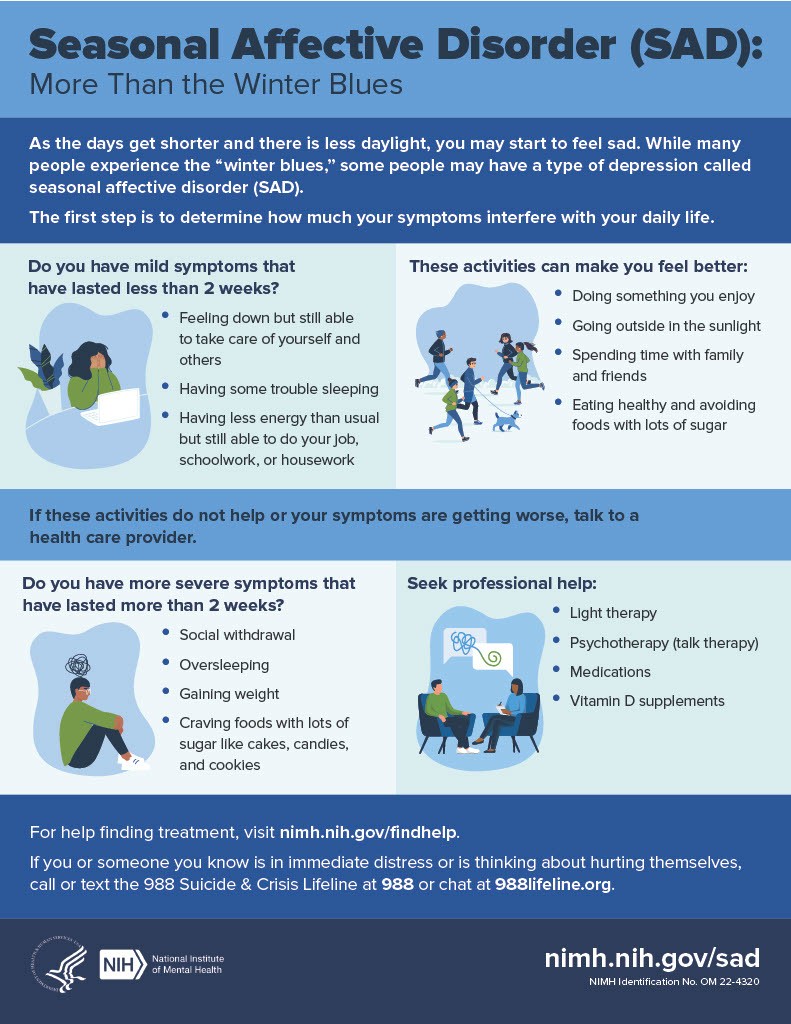
Luckily, SAD is a very treatable condition. The Mayo Clinic lists light therapy as a first-line treatment for fall-onset SAD, typically using a 10,000-lux light box for 20 to 30 minutes within the first hour of waking, positioned about an arm’s length away.
Doctors also suggest regular exercise, maintaining consistent routines, and getting outside during daylight hours, noting also that light therapy can be paired with psychotherapy or medication for people who need more than light exposure alone.
Anyone noticing a significant shift in mood as the days shorten is encouraged to speak to a doctor about possible treatment combinations, as light therapy carries precautions for people with certain eye conditions or bipolar disorder.
Positioned on the far eastern margin of the Eastern time zone, Rhode Island experiences earlier sunsets than other places along the same latitude. This darkness, compounded by the time change in November, makes late-afternoon routines such as youth sports, school pickups, and errands feel more challenging.
The Flip Side
While autumn brings shorter days, many Rhode Islanders view this transition as the finest season of the year, welcoming a rich lineup of seasonal traditions.
Fall foliage serves as Rhode Island’s primary autumn showcase, providing a vibrant backdrop for seasonal activities. Peak color generally spreads from north to south across the state. Inland and northern areas such as Burrillville and Foster-Glocester display early changes, while coastal regions like Newport and South County can hold their brilliant hues until late October or early November.
Climate researchers have noted that New England’s peak foliage has shifted to about a week later than it was in the mid-20th century, a change attributed to warming trends, and the picking season has drifted with it. Apple and pumpkin picking now happen simultaneously, and farms across the state make an afternoon of both.
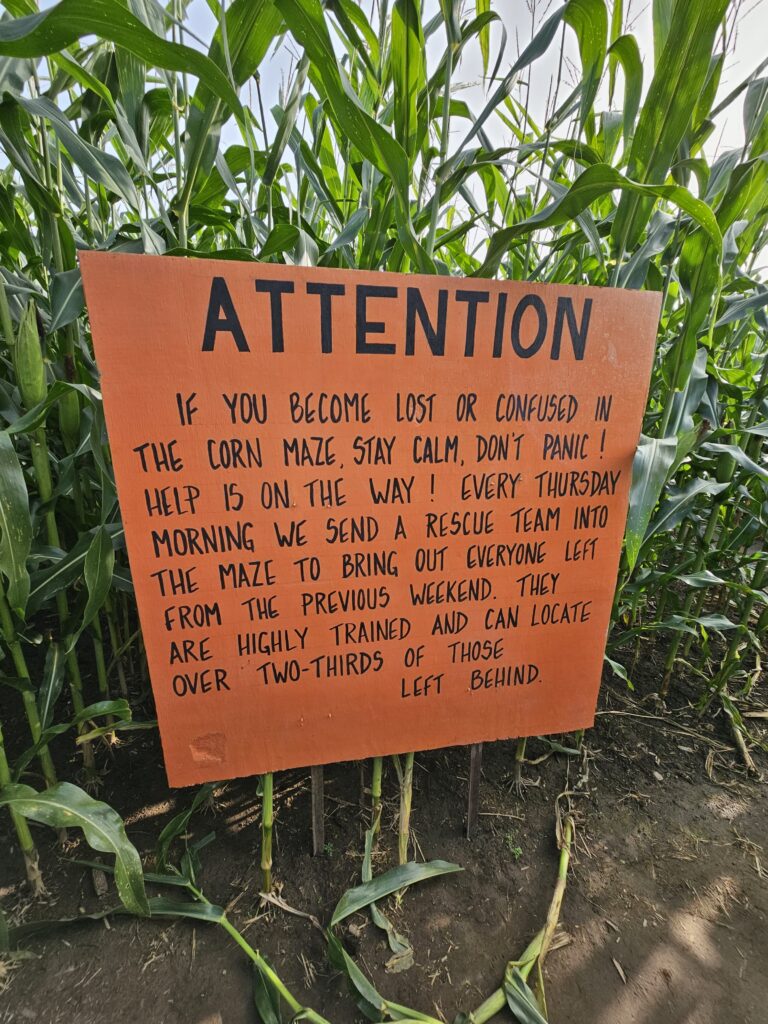
Corn mazes and hayrides round out New England fall traditions, with some made for toddlers, complete with hay bale mazes and pony rides, and others turning genuinely spooky after dark for daring teenagers. The corn maze has become as synonymous with a Rhode Island October as the beach is with July, and a single Saturday visit to a local farm might reasonably include a hayride, a walk through a maze, a stop at the pumpkin patch, and a bag of apple cider donuts – all before lunch. Weekends fill up fast once the weather changes, and farms, well aware of how popular the season has become, now routinely recommend buying tickets in advance.
Autumn brings its own competing traditions. Youth soccer matches and high school football games claim Friday evenings and Saturday mornings through October and November, giving another cohort of families a weekly ritual of chilly bleachers and team spirit. Homecoming games and parades bring alumni back to hometowns, and Rhode Island’s colleges, from the University of Rhode Island to Brown and Providence College, hold their own parents’ weekends, drawing families back to campus once the semester is underway.
From the East Side of Providence to the villages of South County, hot cider and caramel apples appear at nearly every farm stand and general store, and by the time the jack-o’-lanterns start caving in on porches, the state has effectively been celebrating the season for two straight months.
And then there is Oktoberfest, which has quietly become one of the state’s most beloved autumn activities, despite Rhode Island’s small German-descended population. The German American Cultural Society of Rhode Island hosts its own Wies’n each fall at its Pawtucket grounds, complete with steins, bratwurst, and live music, while breweries around the state have embraced the tradition with their own seasonal releases and tasting events.
The Lists Start Early, Too
Long before autumn leaves fully turn or Halloween candy leaves the shelves, early holiday shopping begins making its presence felt. Retailers drive this shift by setting up festive displays and seasonal packaging remarkably early in the year.
Recent consumer research highlights how widespread this trend has become. According to a 2026 Attentive survey, 83% of consumers plan their holiday shopping before Black Friday, with 71% making purchases early – a 12-percentage-point rise from the previous year. Data from Optimove indicates that 66% of shoppers are open to buying gifts before November arrives, while the National Retail Federation reports a steady, decade-long increase in early-November shoppers.
A Season of Contradictions
Rhode Island’s autumn is defined by this striking duality. While diminishing daylight can temper the mood, the season simultaneously brings forth the state’s premier photo opportunities, celebrated baked treats, vibrant weekend farm activities, and a surprisingly cherished Oktoberfest. Children who mourned the end of summer beach days soon eagerly embrace hayrides and corn mazes.
Rather than ending abruptly, summer in Rhode Island is gently packed away for the colder months. In its place emerges a season of crisp shadows, earlier evenings, and new routines – offering its own distinct charm, even to those who initially resist the end of summer.