Carving pumpkins? Trick or treating? Wearing a scary costume? Ghost displays on the lawn? Spooky music in the air? Dancing at a witch and warlock party? Watching a Stephen King movie? This is Halloween today –– but when and where did these traditions arise? What does it all mean today? Ocean State Stories asked a cross-section of Rhode Islanders to respond. This is what they said.
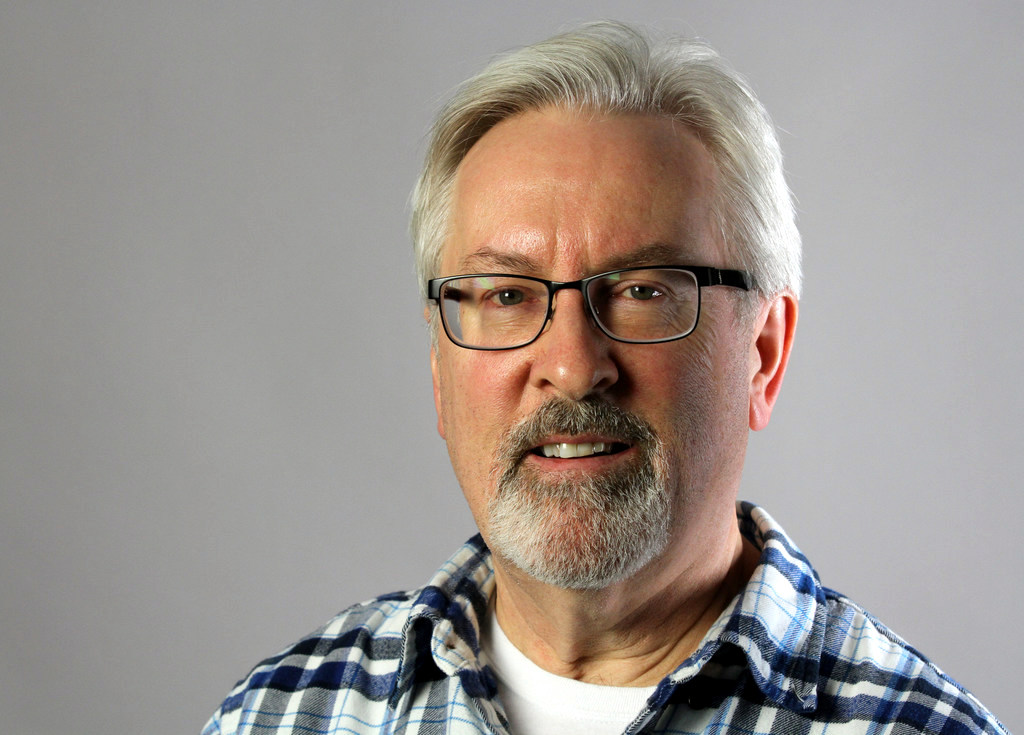
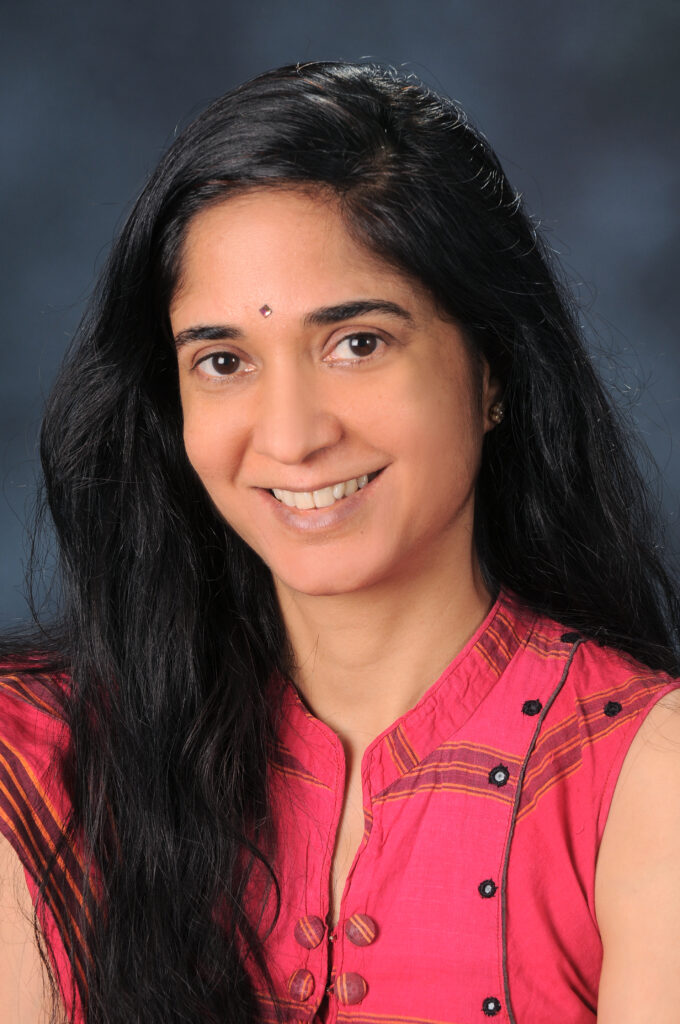
Padma Venkatraman
As an immigrant who moved alone to this county when I was barely 20, with barely $ 20 in my pocket, Halloween was a festival I hadn’t grown up with. At William and Mary’s oceanography school in Virginia, I was, at first, surprised to see adults in “fancy dress” as we’d say in India; but it was easy for me to shed my initial inhibitions and enjoy the child-like joy of wearing costumes. As my husband, also an immigrant, says, it is a festival that epitomizes some of the best things about our country: American generosity (I’ve traveled a lot and I’ve yet to find a nation with more philanthrophists) and American warmth (in my experience, Americans are among the easiest people to make friends with).
After I became a mother, the festival became even dearer to me. We loved following our daughter as she toddled from home to home in our neighborhood, knocked on the doors of strangers, and was greeted by them with a smile and handfuls of candy. As she grew older, my daughter spent weeks if not months, planning what she was going to wear for Halloween. Although I am now an author, I was once an oceanographer who worked in laboratories and on research vessels – and so I rarely use make-up; most of what we do now have in our home is thanks to our daughter’s Halloween purchases. Only once in all the years that she was home did she buy a ready-made costume from a store (and that was in her final years of school, when she decided she wanted to dress up as Sunita Williams, an Indian-American astronaut). Our love of books inspired her to dress up as characters who were sometimes obscure – when she was a kindergartener, she wore a red helmet, yellow Macintosh and Wellington boots. In her mind, she was the protagonist of Molly By Golly (a picture book about America’s first female firefighter who was a Black woman); to others she was just a little firewoman. Another year, she went as Sophie from the picture book Sophie’s Squash – our neighbors probably thought I was a bad mom who had forgotten to make her a costume, and wondered why she was carrying a squash. Halloween also gave us a chance to find a new purpose for seldom-used clothes in our wardrobes – a neglected fur-coat that had somehow found its way into our vegetarian home allowed our daughter to transform herself into Cruella De Ville from the book (yes, book, not movie) 101 Dalmatians.
Despite the many happy memories and all the fun Halloween has given us, there is one aspect of the festival that upsets me. The fact that it inadvertently supports the cocoa product industry, which often involves child labor and/or enslavement. In our home, we only buy chocolate that is marked “fair-trade” or “equal-exchange” from companies that, as far as we can tell, do, indeed merit this certification. If you’re concerned about this, note that “organic” is a label that may be slapped on products procured through social injustice and suffering. I’m not aloof to the allure of chocolate and while I insist on maintaining high standards in terms of products we buy in our home, I admittedly do consume cocoa in other people’s homes and in restaurants that probably aren’t certified as cruelty-free. But I try hard to spread the word, without dampening the cheerful mood that accompanies this festival. In a brief foray into the world of horror stories (at which the author of this article, G. Wayne Miller excels, but which I rarely read or write) I wrote a ghost story entitled “No Chocolate This Halloween” for a short-story anthology, The Haunted States of America, to which I’d been invited to contribute. This October, for the first time in eighteen years, we won’t witness the flurry of activity and excitement that accompanies our daughter’s Halloween preparations, as she’s a freshman at University. But we look forward to handing out fair-trade chocolate, more expensive though it is than ever before, to children who visit. Or perhaps we will make or find other treats that we can give, that aren’t tainted with human pain and real-world horror.
Padma Venkatraman is the internationally-acclaimed award-winning author of The Bridge Home, Born Behind Bars, Safe Harbor, and most recently, Faraway Family. She served as co-leader of RI’s Authors Against Book Bans in a grassroots coalition that helped pass a landmark anti-censorship law. Connect with her via www.padmavenkatraman.com or www.TheAuthorVillage.com. These comments were sent by email.
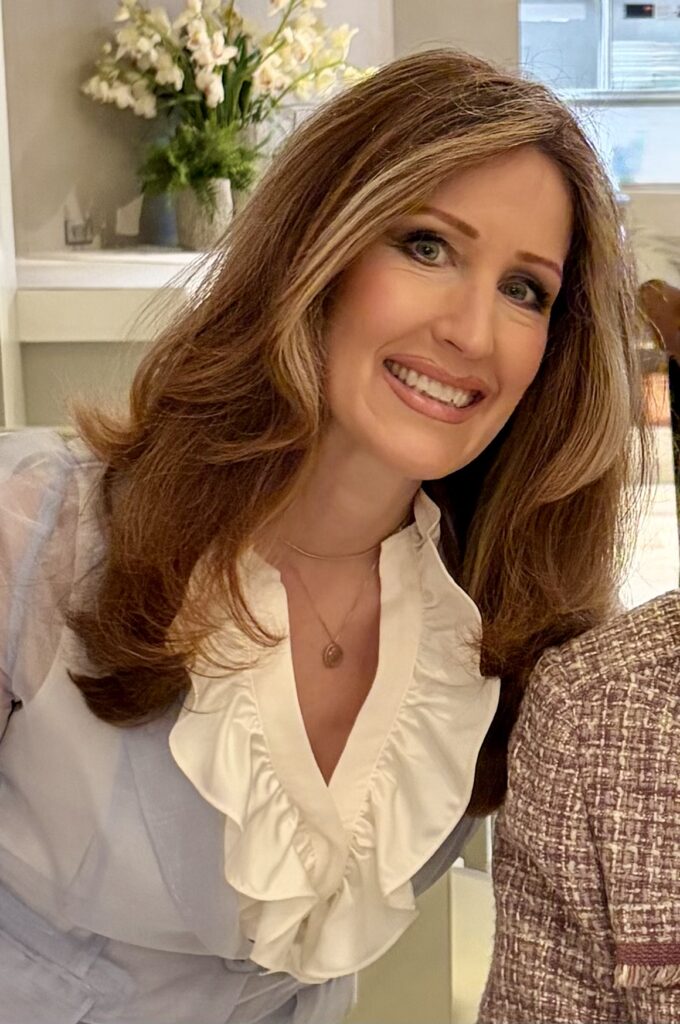
Raina C. Smith
Halloween was one of the happiest and most exciting times of the year for me as a child.
I grew up in North Scituate, Rhode Island, and my childhood Halloweens stretched from the mid 1970s into the early 1980s, when the standard retail store-bought costume often came in a cardboard box with a hard plastic mask held to your face by a thin elastic string that dug into the back of your head. Anyone who grew up then probably remembers those masks well. The smell of plastic was enough to make you pass out; the eye openings cut into your eye sockets; the mouth opening inevitably pinched the corners of your lips; and breathing through one all evening produced condensation that stuck to your face. Fun.
Probably because of some of that, I often made my own costumes.
One year, I wanted to be a zombie ghost, so I put a bed sheet over my head and wore Zany Zappers, plastic sunglasses with a red light in the center of each lens that I could turn on with a push-button remote I kept in my pocket. In the dark, it looked really scary. No one had anything like it, and I remember being sooooo proud I’d thought of it.
Other years, my father and I would work together to come up with the most outrageous costume we could imagine, complete with lots of fake gore and blood. That was a huge part of the fun for me. Halloween wasn’t simply about putting on a costume. It was an opportunity to create something, become someone or something completely different for an evening, and let my imagination take over.
While I trick-or-treated from house to house, I remember my father following me in his car as I made my way up and down the street. He wanted to make sure I was safe, but he also let me keep going for as long as my little legs would carry me. That was the deal.
Afterward, he would drive me to my grandparents’ home in Johnston, where almost every house on the street belonged to a relative, the remnants of what had once been my grandmother’s family’s farm. I had the freedom to run from one house to another, ringing the doorbells of familiar family faces who greeted me with enthusiasm and pretend fright.
No matter what I had created that year, they would act astonished by my costume and tell me how wonderfully creative it was.
Looking back, I realize some of my happiest Halloween memories have relatively little to do with the candy. It was about imagination, creativity, and family. A time when the people I loved entered into that imaginary world with me.
Although the candy was admittedly important.
I had a somewhat unorthodox, by children’s standards, way to protect my Halloween haul. I drew a handwritten childhood spreadsheet listing every type of candy bar I received and exactly how many of each I’d collected trick-or-treating. Every time I ate one, I subtracted it from my inventory. I know. I know.
This proved to be a remarkably effective way of determining how much candy my parents were pilfering from my stash. They were utterly flabbergasted to discover I’d created an official document to track the evidence and confront them with it. I still don’t know why I treated it as a criminal investigation, but I did.
As funny as those memories are to me now, I can also see a connection between the child so captivated by Halloween and the novelist I eventually became.
As a child, I was fascinated by the freedom Halloween gave me to become a completely different person, monster, or object and enter an entirely other world for an evening, with the ordinary rules seemingly suspended. Ghosts walked down the street with me. Monsters walked up our driveway and knocked on our door. Vampires, witches, and creatures from our imaginations suddenly existed alongside us. For a few hours every year, we all entered another reality, leaving memories that lasted a lifetime.
As an adult and a novelist, I find myself returning to that. By inhabiting a character’s mind and body, acting out their scenes and speaking their dialogue in my head before writing, I ask deeper questions beneath the costume of my characters’ identities, choices, and moral dilemmas.
I have always wondered what lies beyond the world we can see. What happens when we die? Is death truly the end? Does the soul continue? Is there another dimension to existence beyond the physical one? What is the nature of good and evil? Why are human beings capable of both? And when we encounter darkness, either around us or within ourselves, what choices do we make?
Those questions remain at the heart of much of my writing.
Across my novels, I have explored the struggle between good and evil; the nature and evolution of the soul; morality; spirituality; free will; redemption; life’s purpose; and the possibility that our existence extends far beyond a single physical lifetime.
Even when I write about something traditionally associated with horror, I am usually interested in what lies beneath the frightening exterior. In The Vampire and The Vampire – A Covenant for Peace, for example, the vampire is more than a supernatural creature meant to frighten the reader. The supernatural becomes a vehicle for exploring morality, redemption, the consequences of our choices, and whether a soul that has traveled deeply into darkness can still choose another path.
Perhaps that is part of my enduring fascination with Halloween itself. Beneath the costumes, candy, jack-o’-lanterns, and frightening imagery are some of humanity’s oldest mysteries. We remain fascinated by ghosts, haunted places, supernatural beings, and stories about what may exist beyond death because the fundamental questions they represent have never been answered to everyone’s satisfaction.
Halloween is also wonderfully paradoxical. So much of its imagery revolves around darkness and death, yet the celebration itself is full of life and fun for anyone willing to participate.
Neighborhood kids, bags in hand, race from house to house with glee, hunting for the houses offering the largest candy bars. Families carve pumpkins and decorate their homes. Adults become children again at costume parties. Neighbors open their doors to one another. Together, whether as a family, a neighborhood, or a community, we tell stories. We laugh, frighten one another for fun, and create. That is ultimately what Halloween means to me.
As a child, it gave me permission to imagine another world and share that experience with my father, mother, grandparents, and friends. As an adult and a novelist, imagination has become an essential part of my life’s work. The ghosts and monsters may have changed, and the questions have certainly become more complicated, but that fascination with what might exist beyond the boundaries of the world we can see has never really left me.
Raina C. Smith is a Rhode Island novelist whose fiction explores the eternal struggle between good and evil, the nature and evolution of the soul, spirituality, morality, free will, redemption, and the search for meaning and purpose in human existence. She has written six novels: The 13th Apostle, Divine Providence, Thy Kingdom Come, The Vampire, The Vampire – A Covenant for Peace, and The Earth Consented. Her work often uses supernatural, spiritual, and otherworldly elements to examine the choices people make in life and the possibility that human existence extends beyond the physical world. More information about her work is available at rainasmith.com. These comments were sent by email.
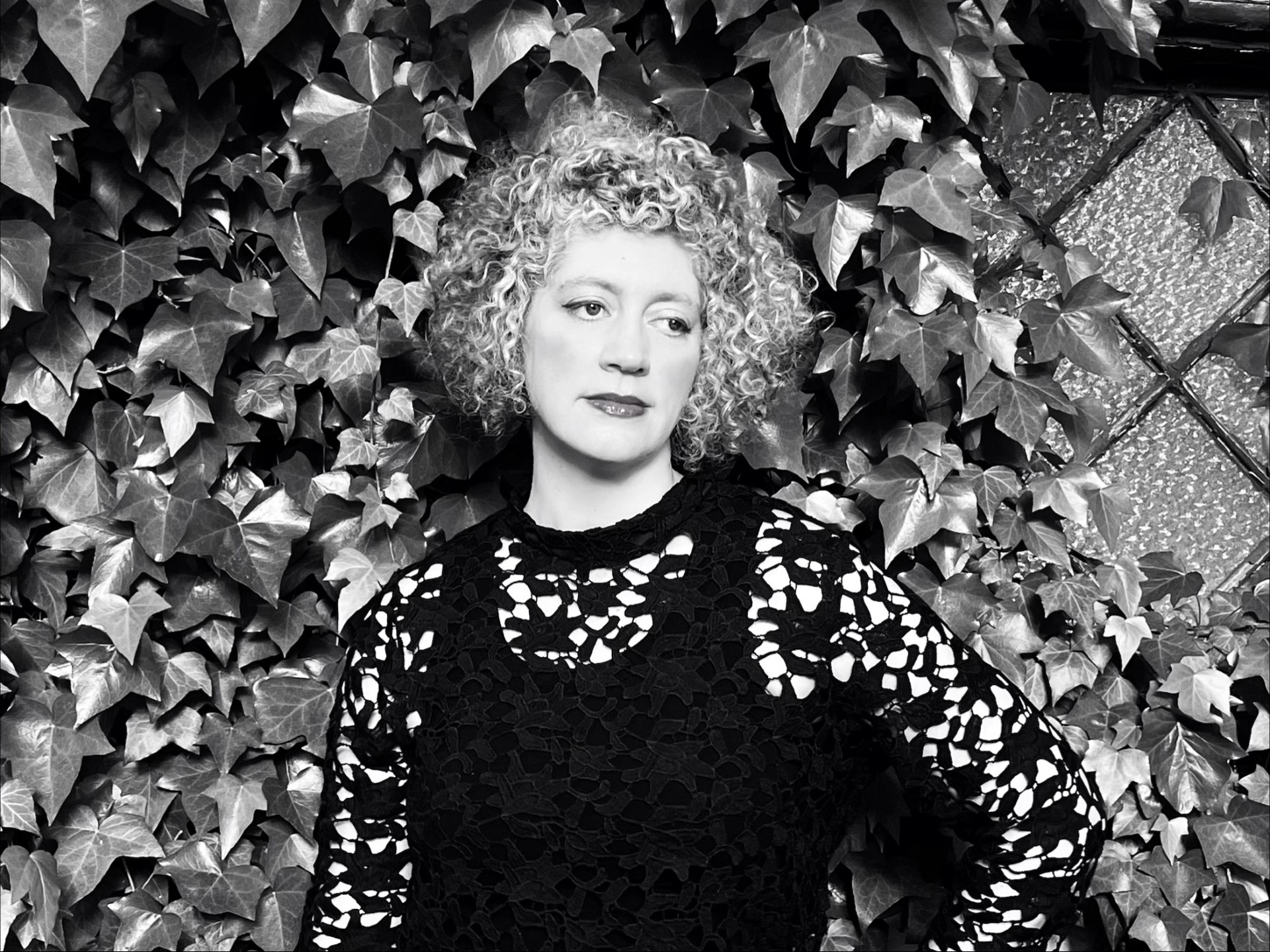
Victoria Dalpe
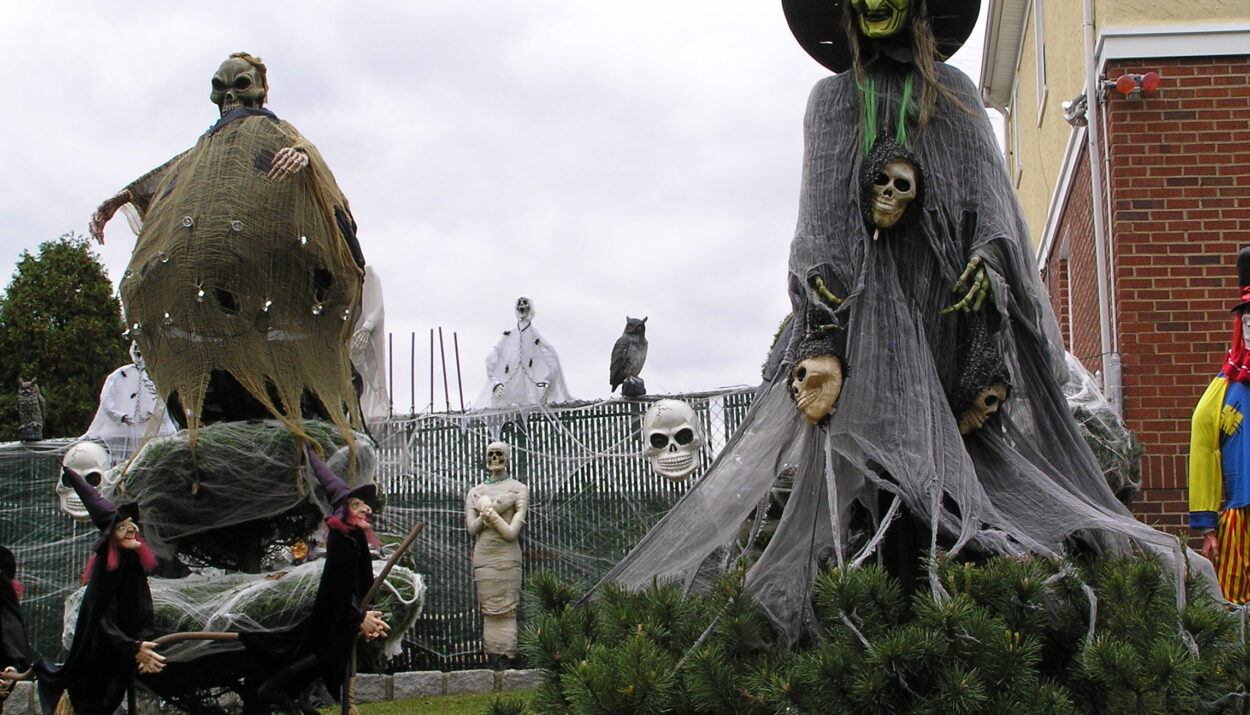
Halloween has gotten bigger by the year, it seems. The decorations, candy and commercials creep in earlier and earlier. The popsicles have barely melted before the gigantic skeletons arrive in front lawns, towering over the neighborhoods beside the mammoth inflatables writhing and pulsing with pumped-in air that rival floats bobbing around in the Macy’s Thanksgiving Day Parade. Spirit Halloweens pop up like clusters of mushrooms in damp empty storefronts, the animatronics and costumes at the levels of low-budget feature films.
Yes, it’s all gone commercial, yes, the push to go so wild on Halloween is a marketing endeavor, fed to us in ads and store displays. Like the cards and diamonds and chocolates for Valentines and Mother’s Day, or the ties, whiskey and leather scented ultra-masculine inessential items being marketed for Father’s Day. And while Christmas has owned the home-decor holiday scene for a long time, Halloween is creeping up fast as the 2nd most decorated holiday.
We are all almost always being sold something. And Halloween is no different. For example, my family is incapable of walking out of a Spirit Halloween without dropping $300 on mostly junk, every time.
I saw a Halloween discussion on Threads the other day that caught my eye, in it, folks were complaining about how big and elaborate Halloween has gotten. One woman griped that she missed it when it was just one day. Another hated the grotesquery and spectacle, she was a Christian and found it offensive. Another complained there are too many Trunks or Treats, another it was the Costume Days at school and still others the various events all month long. Still others lamented the different colored pumpkin buckets kids carrying to signify a food allergy or disability. To those folks, inclusivity was annoying after already putting the time in to buy candy and give it away for free. Plenty of others railed against the corporate greed and endless marketing, turning Halloween lovers into bigger consumers… unable to fight the waves of blow-up sandworms, novelty tombstones, and jump scare electronic porch monsters guaranteed to traumatize younger kids who go trick or treating.
I hadn’t seen so much concentrated Halloween frustration in one place before, and I found it an interesting read. Because while I see some of their points, (not issues with colored pumpkin people, they are just jerks) I still think Halloween is worth it. And frankly, I love that it’s bled out of its day and taken over a month, hell, a whole season. Halloween has become a lifestyle, a badge of honor, and a fashion aesthetic. As someone who keeps my porch skeleton out all year long and dresses him to represent the seasons and holidays (even back to school with backpacks and school colors) I want to welcome more people into the fold. As an artist and writer whose work is almost exclusively death, monsters and horror, I can firmly attest Halloween is not just a day or month but a state of mind.
I had a bumper sticker on my car in high school that said PUT THE FUN BACK IN FUNERAL and I still believe that to be true.
The people who decorate with spooky and cursed items all year long, whose aesthetic is more Victorian science laboratory or peak 1998 Hot Topic. It is truly their time, never has so much attractive, interesting and even tasteful macabre decor been available and I am here for it!
Because unlike so many holidays which come heavily laden with burden and obligations, Halloween is about whatever you want to put into it. There’s a version for little kids, with visits to pumpkin patches and adorable costumes, where the scariest thing is the Great Pumpkin showing up. There is the extreme haunted house version where people get to run and scream all around fields, trains, houses, and forests being chased by blood-soaked maniacs. And of course, everything in between: historical ghost walks, movie marathons of old Black and White Classics, Rocky Horror singalongs, The Simpson’s Treehouse of Horror Marathons.
Or just waiting for the massive candy sales on November 1st.
Halloween doesn’t have the familial pressures and landmines of Thanksgiving, the complexities of Christmas combining with gifts, family-blending, travel, home decor and an oft-disappointing lack of snow. Valentine’s is fraught for those in relationships and without. Mother’s Day a guilt-fest of soggy brunches and gas-station flowers.
But Halloween… Halloween is about play and magic and candy. It braids together Pagan seasonal rituals, folk traditions, pop-culture trends, arts and crafts, games and parties. It’s about scaring yourself, pretending to be someone else, going door to door, and little dash of mayhem. It’s a celebration of nighttime, with creamy full moons in the sky, bare branches like witches’ fingers, and a world where reality is just a little thinner than usual. It’s a time of imagination and possibility, where nothing is exactly as it seems. The living and the dead intermingle in a space between worlds. Horror movies of all flavors and ratings play non-stop and every music service has a preprogrammed song list a button away.
Real life is often hard and sad. The news is a twenty-four-hour never-ending cycle of sensational headlines and clickbait. Pollution, corruption, war, famine. There’s the caring for ailing family members, paying for broken water heaters, and clocking in at jobs that seem to pay less by the day. The whole world seems to be an algorithm designed to sell us something, all the while encouraging us to put it on credit. The drudgery can be all-consuming as the years rapidly pass by like a flip book.
This makes Halloween and celebrating the dead, the strange, and the frightening cathartic. The faint smell of woodsmoke in the air, the sounds of dry leaves dragged along the road on a gust of wind. The vibrant orange of a fat pumpkin on a porch step carved into a face. The small starbursts of vibrant mums. The emergence of Pumpkin Spice everything, this can be a thing of joy. The excitement of little kids picking costumes and decorating, committing to massive rewatches of horror franchises. To hear Thriller a thousand times in a month and dance every time.
It makes me happy, it’s fun for fun’s sake.
The big expensive decorations are fun for some, but no one is going to make you buy any. For the folks who love it and want to invest, great. But remember, all a house needs to get trick or treaters is a porch light on. A homemade half-ass costume will always be welcomed at the Halloween party as much as the elaborate one that someone labored over for months. Halloween has gone commercial, but in many ways, you don’t have to spend a dime to have a good time and that is what makes it so special. You can cut two holes in a sheet and go bang on doors and in an hour’s, time have a sack full of candy, it’s still that easy.
The Peanuts will be on TV, Monster Mash on the radio, and the squeals of delighted children will float on chilly autumnal breezes.
There’s a lot of hard things in the world, in life, but Halloween isn’t one of them. A celebration of death and the monstrous that ultimately is much more about life. So, throw on some cat ears, say hello to a ghost, catch an old movie on TCM, read a scary story or two, and always leave a bowl of candy out for the goblins.
Victoria Dalpe is a Providence-based horror writer and painter. To date, her short fiction has appeared in over sixty-five anthologies. She has published a short story collection Les Femmes Grotesques and the horror fantasy series Selene Shade: Resurrectionist for Hire with CLASH Books. Her short story “The Cleaner” was included in the Best Horror of the Year Volume 17 edited by Ellen Datlow. Looking ahead to 2027, her second short story collection, I’ll Break, You’ll Break will be released with Lethe Press, her first novel, the sapphic horror novel Parasite Life will be rereleased with Mocha Memoirs Press and the final entry in the Selene Shade Series: Awake But Not Alive will be out in fall 2027.
Follow her on instagram @victorialdalpe. These comments were sent by email.
Peter Johnson

Most of us think of Halloween as a playful holiday, rife with a variety of costumes and assorted candies. But it’s also a day when children can exorcise their deepest fears by poking fun at their favorite bogeyman and hobgoblin. They’re even given the opportunity to dress up as one of them.
But what has always intrigued me is how adults approach Halloween. Having been to several Halloween parties over the years, I continue to be amused at how the costumes partygoers choose often reflect their alter egos. I’m talking about the quiet accountant who comes as Elvis and manically struts around the room; or the stern and proper office manager who shows up in a short red dress, red stilettos, and a blonde wig, singing Marilyn Monroe’s versions of “I Want to Be Loved by You”; or even the apparently upbeat churchgoer who, inexplicably, dresses as Hitler and periodically gives everyone the Nazi salute. In short, sometimes the costumes people choose are funny; other times, provocative; and still other times, a bit frightening, especially when the behavior each costume inspires is exacerbated by three or four shots of tequila.
In this sense, Halloween, like the ancient Roman festival, Saturnalia, is subversive because social norms get turned upside down, giving us all permission to express our normally suppressed inhibitions and secret selves.
Although my above observations are, hopefully, interesting to you, let’s face it, Halloween has always been about candy bars or caramel candied apples.
For example . . .it’s 1958 and I’m a seven-year-old chubby boy living in South Buffalo, NY. I’m dressed, as just about 75% of boys are in my neighborhood are, as a bum, my mother having darkened my forehead and chubby cheeks with a piece of burnt cork. It’s pouring as it can only in Buffalo, but I’m determined to hit the streets with my paper grocery bag. I’m having a good night, seemingly able to fill my bag with an endless supply of candy, until I decide to run home, whereupon I discover that my cornucopia of sweets has disappeared through the bottom of my by-now drenched paper.
Now, I’m sure this tragedy might seem like small change to you, but when you’re seven years old and won’t escape your “husky” jeans period until you’re fourteen, and when you value Snickers bars more than an autographed Rocky Colavito baseball card (look him up), an event like the one above is downright catastrophic—the proof being that I’m still talking about it sixty-eight years later.
These comments were sent by email.
Michael and Margaret Racette
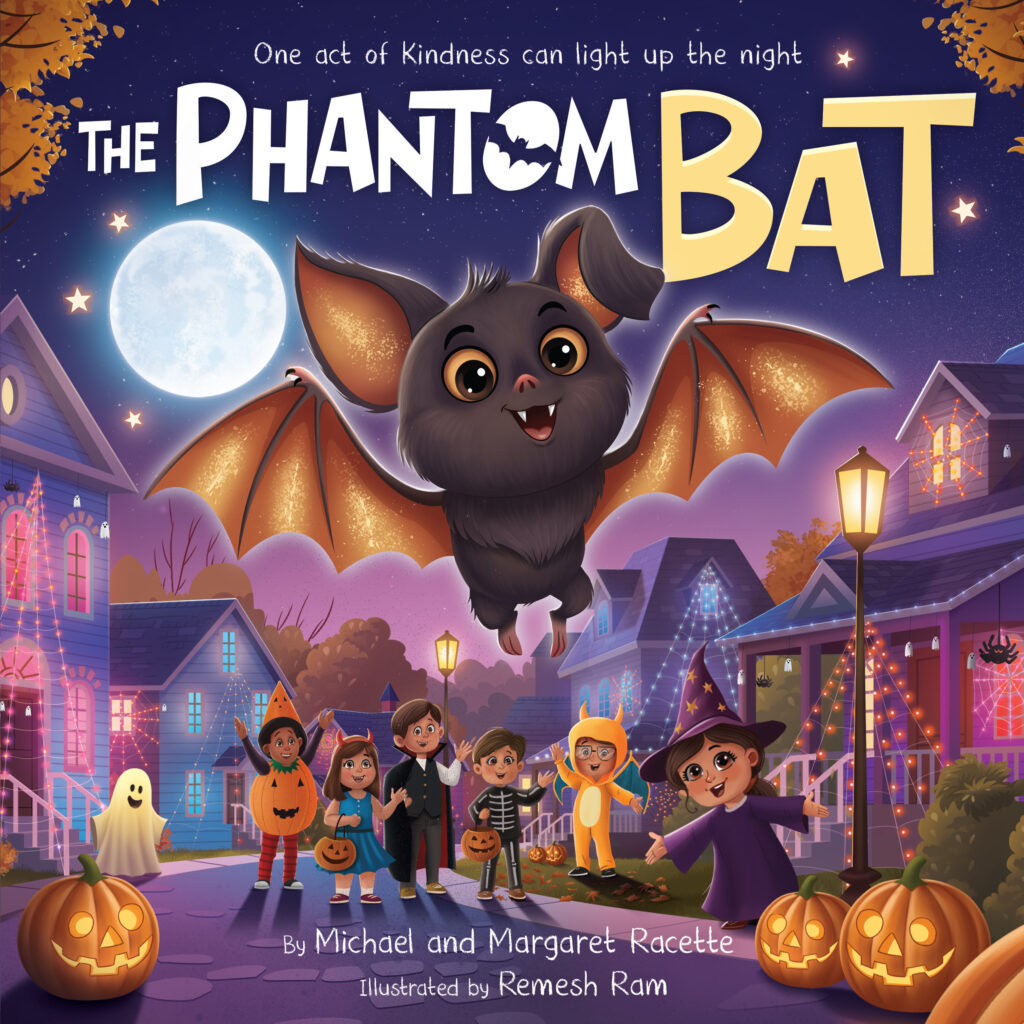
What Halloween means to our family
Halloween has always been one of our favorite holidays, but it’s become even more special now that we have three young boys. We love the costumes, decorations, trick-or-treating, and the excitement that builds throughout October.
One of the things we appreciate most about Halloween is how it brings people together. It’s one of those rare occasions when entire neighborhoods come alive. Families are outside together, neighbors are opening their doors, and children are making memories they’ll hopefully carry with them for years.
We also think Halloween has become much more than a single night of trick-or-treating. Families now celebrate throughout October with pumpkin carving, decorating, trunk-or-treats, community events, and much more.
For us, that’s what makes holidays so special. Some of the best childhood memories come from the little traditions families repeat year after year. And now, as parents, we get to experience those same moments from a completely different perspective.
The inspiration behind The Phantom Bat. The idea behind The Phantom Bat actually started long before we ever thought about writing a children’s book.
When Margaret was growing up, her family had a Halloween tradition of secretly delivering treats and surprises to friends and neighbors. Margaret’s mother organized the tradition and it was something the entire family looked forward to every year.
Once our boys were old enough, we started doing it with them. They absolutely loved it! There was something so exciting about putting together a surprise, sneaking up to someone’s front door, ringing the doorbell, and running away before being discovered.
But what stood out to us was how much they enjoyed giving something to someone else. They were just as excited about making another family happy as they were about the Halloween treats they received themselves. That’s really where the idea for the book began.
We started thinking about how we could take this tradition Margaret grew up with and turn it into something other families could experience. We wanted to create a story that captured the magic and excitement of Halloween while encouraging children to spread kindness. That eventually became The Phantom Bat.
The story follows a young girl named Hazel who discovers that Halloween’s magic is
disappearing and her hometown just wasn’t the same. With the help of a mysterious little bat, she learns that even the smallest acts of kindness can help bring that magic back.
The book also introduces a real-world activity that families can participate in. Children create and decorate their own Phantom Bats, write kind messages, and put together small bundles with treats or surprises. They secretly deliver them to friends, neighbors, or family members, who are then encouraged to pass the tradition along.
Our goal was to create something that went beyond reading a book. We wanted children to become part of the story and experience its message firsthand.
What we hope the tradition becomes.
What makes this especially meaningful to us is that it started with something Margaret experienced as a child. Now we’re doing it with our own children, and through the book, we’re hoping to share that experience with other families.
We’d love to see The Phantom Bat become an annual Halloween tradition, something children look forward to every October and eventually introduce to their own families.
We think there’s something really special about teaching children that making someone else happy can be just as exciting as receiving something themselves.
Halloween will always be about costumes, candy, and a little spooky fun, and we wouldn’t want to change that. We’re just hoping to add a little more kindness to the holiday. If a child leaves a Phantom Bat on someone’s doorstep, and that family decides to do the same for someone else, it’s amazing to think how far one small act of kindness could spread.
That’s really the message we hope families take away from the story: “One act of kindness can light up the night.” We hope to inspire a new Halloween tradition that families can enjoy and pass down for generations.
Michael and Margaret Racette are a husband-and-wife writing team from Warwick, Rhode Island, where they live with their three young sons, John, Frankie, and Mickey. Inspired by a beloved Halloween tradition from Margaret’s childhood, they created The Phantom Bat, their debut children’s picture book, to encourage kindness, creativity, and family togetherness.
Additional information. Families can learn more about The Phantom Bat, discover how to participate in the tradition, and access free printable bat templates and Halloween activities at www.thephantombat.com.
The book is available on Amazon in hardcover, paperback, and Kindle editions.
One of our favorite sayings is, “The last page is just the beginning.”
These comments were sent by email.
Christa Carmen

My husband and I—as huge fans of Halloween, all things horror, and potentially haunted locales—were married on October 31, 2016 at the Stanley Hotel in Estes Park, Colorado. Aside from being stately, looming, and gorgeous, the Stanley’s other claim to fame is that it’s where Stephen King was staying when he was struck with the inspiration for The Shining. Our time there was not just picturesque but essential in solidifying our appreciation for the holiday as more than the night on which the veil between light and dark, life and death, and the visible and invisible worlds thins to a penetrable sheen. On each subsequent October 31st, my husband and I have celebrated both each other and the modern-day incarnation of the ancient Celtic festival of Samhain.
Today, with a six-year-old daughter, our love for Halloween has evolved yet again. Last year, I penned a piece for People.com about her lifelong adoration of spooky season and the ways children often embrace ghosts, monsters, and all things eerie not just because they enjoy being frightened, but because they are drawn to wonder, imagination, and the thrill of exploring the unknown. I wrote about how scary stories can provide children with a safe framework for testing boundaries, building courage, and making sense of uncertainty, and how what adults sometimes interpret as fear is often something much closer to fascination.
A year later, I find myself reflecting not just on my daughter’s relationship with Halloween but on my own. In addition to bonding with my husband over our affinity for All Hallows’ Eve, I’ve always reveled in the holiday, first as a scary-books-obsessed kid and later as a horror writer. But what draws me to it now is different from what I loved as a child, or even ten years ago when my husband and I said our vows at the Stanley Hotel. What once centered on costumes, haunted attractions, and the delicious anticipation of being scared has become something deeper and much more personal.
These days, Halloween feels less like a single holiday and more like a lens through which I view the changing seasons, the stories we inherit, and the rituals we create for ourselves. As a child, I revered Halloween for its spectacle. As a writer, I came to love it for its folklore, mythology, and storytelling traditions. As a parent, I have discovered—or regularly rediscover—yet another dimension of the holiday. Watching my daughter develop her own relationship with the things that go bump in the night has reminded me that Halloween is, at its heart, an exercise in imagination. It invites us to step beyond the ordinary, to engage with mystery, and to delight in things that cannot be neatly explained.
Halloween now carries the accumulated weight of memory. It is not just a celebration of ghosts and goblins, but of anniversaries, family fun, favorite books and films, neighborhood trick-or-treats beneath autumn leaves, and the countless small moments of delight that mark the passage of time. The holiday itself has not changed. What has changed is my understanding of why it matters. Each year, Halloween feels a little less like an escape from ordinary life and a little more like a celebration of the people, stories, and customs that make that life meaningful in the first place.
Christa Carmen is a horror writer. These comments were sent by email.
Patrick Bailey
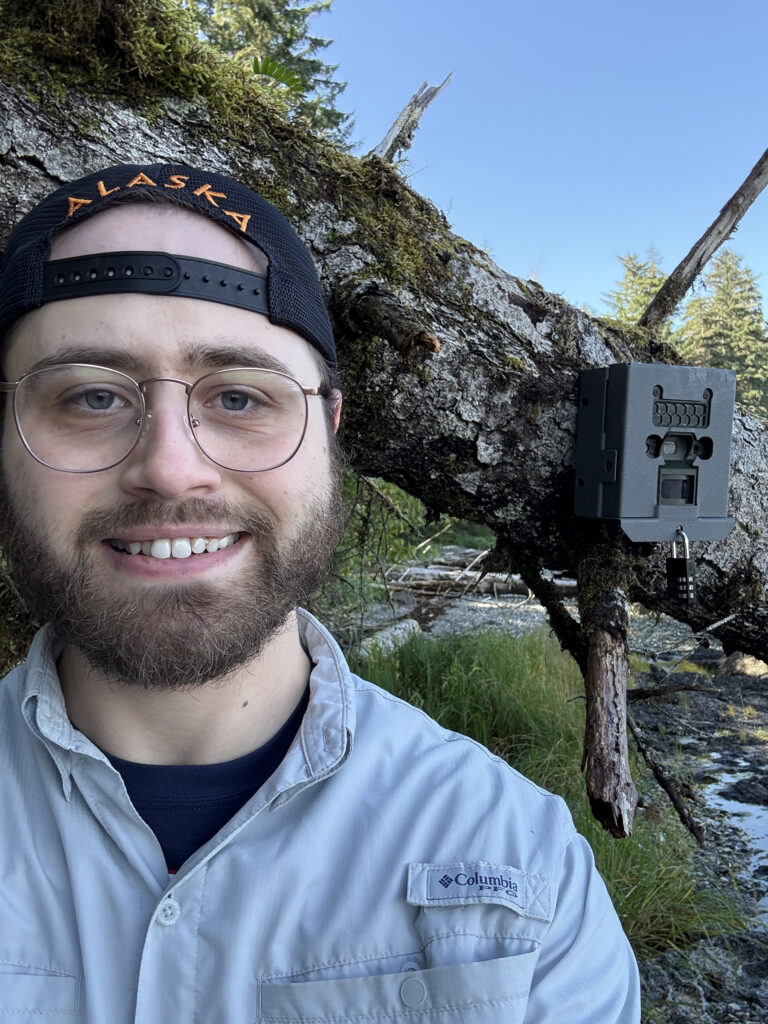
Patrick Bailey, a Ph.D. candidate in the Comparative Ecophysiology of Animals Lab at the University of Rhode Island, is drawn to the animals that populate our landscape each fall. He’s studied some of the quintessentially ‘scary’ Halloween animals, including wolves — though not the were- variety — as well as the bats of southern New England.
Rhode Island’s newly approved State Wildlife Action Plan classifies local bat species such as the silver-haired bat — which favors oak and pine for habitat — of greatest concern. And while Bailey is not glad to see them on the list, he’s glad to see attention being paid to their vulnerability, having worked with bats earlier in his academic career. Bailey says working with bats helped him develop a wildlife skillset and gave him a deep appreciation for the misunderstood mammal.
“I’ve definitely had an appreciation for the ‘misfit’ mammals over the years,” he says. Today, he primarily works with gray wolves in coastal ecosystems.
Bailey fielded questions about New England bats, some of the challenges they face and how we can help them.
How is the local bat population faring in New England?
Bats in New England are facing a variety of threats, which have definitely impacted populations over the last few decades. As with most at-risk species, habitat loss continues to pose a huge problem for them. In Rhode Island, this occurs as a result of residential and commercial development that degrades forested habitats. Bats are also losing many of their maternal roost sites, which have historically included old barns, trees, snags (dead trees), etc. Over the past two decades, bats in New England, and across the country have faced an unprecedented ecological threat from White Nose Syndrome, caused by the fungus Pseudogymnoascus destructans, which has resulted in the deaths of millions of bats. In some sites, mortality estimates have ranged from 90 to 100%, which is astounding. The fungus was first detected in a cave in New York in 2006 and has since spread throughout the U.S. Rhode Island confirmed its first case of White Nose Syndrome in 2016 at some of the few locations that bats hibernate within the state. Cave-roosting bats appear to be more at risk from the fungus. These are rare in Rhode Island, so most cave roosters migrate out of the state during winter.
Among the bats you’ve worked with, which is your favorite?
Although each of the bat species found in New England are super interesting, I am partial to the hoary bat (Aeorestes cinereus). Hoary bats are one of the larger bat species in North America and they rock a pretty impressive brown/gray coat with frosted white tips. Interestingly, hoary bats possess an echolocation call that is just outside of the range of human hearing (human hearing ranges from 20-20,000 Hz; hoary calls are 20,000-30,000 Hz). Each bat species possesses a unique echolocation call that they use to efficiently hunt flying insects; we can record these signals and use them to determine which bat species are present in a given area.
What are some benefits that bats provide in our local ecosystem?
Bats are extremely important for ecosystems around the world, for things like pollination and seed dispersal. In Rhode Island, each of our eight species of native bats are insectivores, and can consume thousands of insects every night. Not only does this help to keep insect populations down — including mosquitos, which can spread disease to humans — but they also are particularly helpful for local farmers. Decreased insects result in higher crop yields and allows farmers to use less pesticides, which helps to further protect local ecosystems.
What should we be aware of for disease risk from bats?
Like any mammals, disease transmission between bats and humans is a possibility. There are several possible diseases that bats can transmit — the most notorious of which being rabies. Rabies is an extremely dangerous virus that attacks the central nervous system, resulting in almost certain death if left untreated. I cannot overstate the danger of rabies, nor the importance to seek treatment if potential exposure has occurred (contact the Rhode Island Department of Health rabies hotline at 401-222-2577, staffed 24/7). However, I want to alleviate some of the fears regarding rabies in bats. The last reported case of human rabies in Rhode Island occurred in 1940 and over the entirety of the U.S. for the last 50 years, there are less than ten reported human rabies cases per year. The reason why people are encouraged to receive rabies vaccinations if bats are found in their living spaces is primarily due to the shape and size of bat teeth. Most bat species in Rhode Island possess extremely tiny teeth and claws that can penetrate skin but leave little evidence behind, so rabies vaccines are prescribed out of prevention. As with other wild animals, you should never handle bats, particularly without any kind of protective equipment.
The new Rhode Island wildlife plan lists all of our local bats here as species of greatest conservation concern. What can people do to help?
Each of the eight species of bats found in Rhode Island are currently listed as a Species of Greatest Conservation Concern due to the risks mentioned previously. In truth, one of the best ways to help bats is to leave them alone and let them do their bat magic in peace. The spread of White Nose Syndrome in the U.S. was likely unintentionally caused by cave explorers that unknowingly transported fungal spores from Europe or Asia. Therefore, although caves are not common in Rhode Island, avoiding them or known bat hibernacula during winter is vital to avoid spreading the virus further. Bats have unfortunately received a lot of negative attention over the years, so they have not received as much research attention as other charismatic mammals. Helping to dispel negative rumors of bats can hopefully allow us to paint them in a much better light.
These comments were sent from URI by email.
Dr. Benjamin Hohman
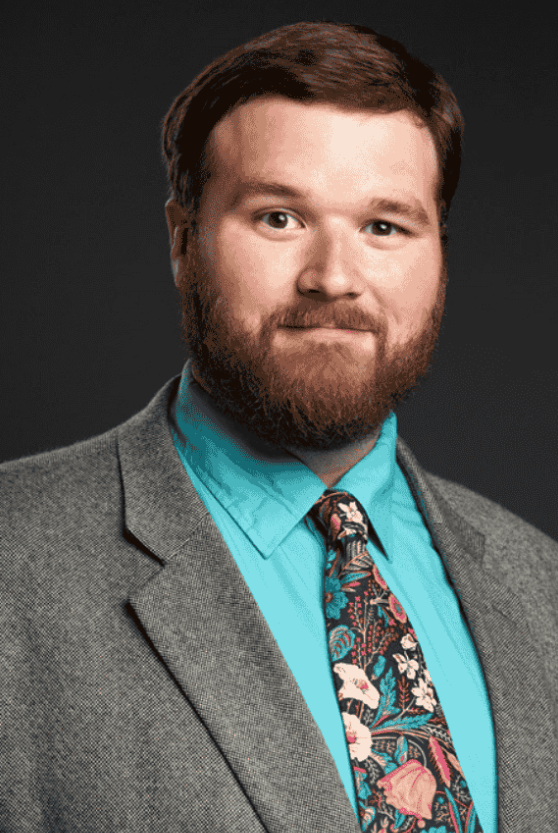
If you think all Hallows, what is it referring to? All Saints Day. So in the Catholic Calendar, November 1st is all Saints Day, November 2nd is all Souls Day. And so in that sense, the name Halloween is really just referring to the evening before all Saints Day. And really, as you may know, a lot of Christian and Catholic feasts, the celebration begins the night before. So one of the reasons you can go to mass, your Sunday mass obligation on Saturday night is that the vigil mass is already looking forward to the next day. So the the Feast of all Saints Day begins with evening prayer in the Catholic Office of the Hours, and so in that sense it’s the eve, the evening beginning of all Saints Day. That feast first emerged in like the 7th century, and its initial date was May 13th. It wasn’t until later, in the 8th century, that it was moved to November 1st.
All Saints was originally started with the Pantheon in Rome, which was a temple to all the Roman. Pope St. Boniface IV had that dedicated as a church to all saints instead of all gods and to Mary and that transfer of the building to this dedicated church took place on May 13th. So that was the original date there. The other trajectory you have to follow is of a Celtic seasonal observance of a holiday that you’ll sometimes hear people call Samhain. It’s a festival that took place around October 31st that marked the end of the harvest season and the beginning of the more desolate winter season. So it was sort of a liminal boundary between the close of one season and the open of another.
Since it was at this in-between time, there were thoughts that this was a kind of ‘thin time,’ a time of permeability between the worlds. A lot of Celtic traditions around fairies and spirits and things like that would identify this as one of the times when these various spiritual entities in Celtic religion could kind of make their way into the world. And so there were bonfires and different communal practices to gather on this day as a way of both marking but also bringing the community together during one of these ‘thin times.’ Samhain evolved significantly as a tradition.
In the 1840s to the 1860s, Irish and Scottish immigrants arrived in large numbers in North America because of the potato famine. They brought these traditions with them, where especially young people would play various pranks or tricks. That whole trick or treat thing, it really initially was mostly trick. It was sort of a night of reasonably good-hearted mischief. But you get these stories about people looking out the window on a blustery October 31st night and somebody is holding a pumpkin head with a glowing candle inside in their window and they are sort of scared and they look back and it disappears. So people sort of just causing more-or-less harmless mischief then became less of a rural phenomenon or small-town phenomenon, and you started having huge numbers of Irish and Scottish folks bringing these traditions into the cities.
There was a concern that this was sort of a move from harmless mischief to what in an urban setting felt more like mayhem. And so there were concerns about property damage, vandalism, various kinds of public nuisances –– especially since the pranksters in the city didn’t really have a personal relationship with the people that they were pranking. In the small towns, a lot of times it was like ‘Oh, well, they’re going to go harass old-man so-and-so who’s kind of a grouch anyway and might have it coming.’In the city, it felt like anybody and everybody’s a target it becomes an issue.
At this point, in the 1890s to the 1930s, you have a lot of adults responding to this, asking how they can either ban this, replace this, or channel this into parades or parties or dances or various things. And you’ll get reports in various local newspapers in Chicago or Boston and other different places where local authorities tried to take one of those off ramps to deal with what had become this public nuisance. A lot of that doesn’t really get a lot of traction initially.
When that movement to reshape the holiday does get traction is the 1940s [when America was engaged in Word War II] where you start getting accusations that ‘the mischief is really sabotage during wartime.’ And so you get people saying that ‘soaping windows,’ which was one of the common pranks, ‘is a waste of soap that could be sent to the front lines.’ Or ‘these all night pranks are keeping up workers and so undermining the industrial war effort,’ things like that. So then there is this more organized national campaign to reorient Halloween into something else.
And that something else originally becomes instead of a late-teen, young-adult holiday, a holiday for kids to go around supervised trick or treating in this ritualized trick or treat way. Initially they’re going around and they’re getting apples and things –– whatever the people have on hand. But there’s a massive commercialization of this in the ‘50s and ‘60s where these sort post-war emerging ‘food factories’ realize that they can capitalize on this and sell candy. And with the commercialization of candy and costumes, you’ve got this massive industrial machine: ‘What can we sell people in the way we used to sell things to the army?’ So then it takes on this bizarre sort of late-capitalist. American-consumerist holiday. So it’s sort of funny because you get some people who want to treat this as a devil holiday or a pagan holiday that’s been taken over or as a Christian whitewashing.
Dr. Benjamin Hohman is an assistant professor of Religious and Theological Studies at Salve Regina University. These are edited excerpts from a video interview conducted on Oct. 14.
The Rev. Gabriel Torretta, O. P., Ph.D.
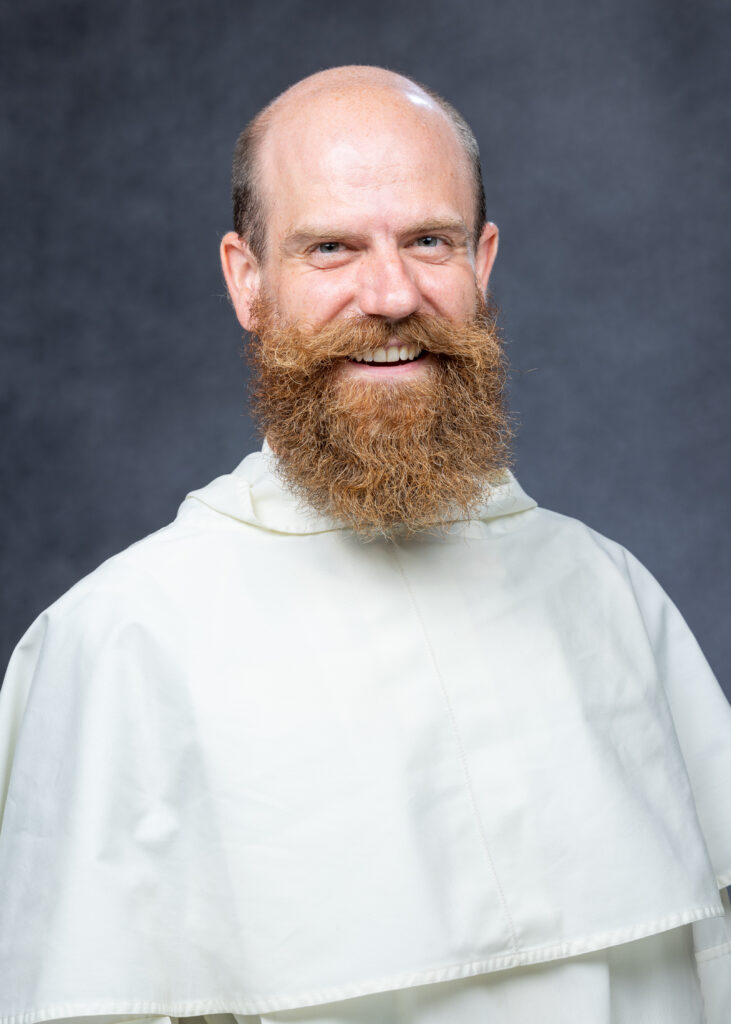
There are a couple of different genesis points that people will talk about, depending on their perspective. There is clearly a festival that was observed in ancient Celtic cultures –– not just Ireland, but kind of the broad Celtic presence over what’s now the British Isles as well as Brittany and some places on the continent. It was called Samhain, an ancient pre-Christian Celtic New Year’s festival. The New Year for the Celts began on November 1st. And it’s the counterpart to the mid-year festival, hich would have been on May 1st, known as Beltane. So you have these two hinge days of the year: November 1 and May 1.
It’s a time of settling accounts –– literally, settling debts and things like this. But also, you get together and there’s feasting, eating, drinking, reveling. and wild partying and all that kind of stuff. It seems to be a of liminal times –– times between two seasons, between two things, when the borderline between the world of the dead and the world of the living is considered to be especially thin. So ghosts can come out and talk with you and visitors from Fairyland, who are in the ancient imagination –– not usually or not necessarily friendly –– can also come. There are barrows and hills that they can come out. And so this would be a festival that would begin on the evening before November 1st and then go on.
This is in the old Celtic calendar. This is very ancient. But these things go on for a long time; it has a long future history to it after that. Historically, it has to do with the church and that’s got a few stages to it.
In the 18th and 19th century in England, people love superstitions. There’s this really wild, widespread superstition that if a woman cuts up an apple into a certain number of pieces sitting before a mirror and eats it in this kind of ritualistic way and on Halloween night, when she finishes the last piece, she can gaze into the mirror and see the face of her future husband floating above her shoulder.
This is not at all surprising. Harvest Festival stuff, on November 1 and October 31, is the time of the year for superstitions. It has to do with the fact that by October 31st and November 1, you’re now officially cold: there’s a lot less daylight and all the rest. It’s all just very intuitive stuff. But it’s also very clear that there are vestiges of this ancient Celtic tradition. When the universal Feast of All Saints gets there it’s a very natural thing to feel the overlap.
America’s cultural commentators in the 19th, century –– when these big waves of Irish immigrants come into the U.S. –– both remark on and complain about the way all these Irish are bringing all of their, like gross, ‘Catholic folk, pagany, superstitiony’ kind of rituals and holidays with them. Because of course the Irish then are considered dirty and just gross –– ‘gross and violent and everything they do is awful, and they’re papists,’ and all this kind of stuff.
One of the things that they are bringing is some rambunctious practices on October 31st. They’ll run around in gangs and play pranks on people, do tricks and mild property damage and vandalism. The reports can be hard to trust because you have people who already hate the Irish, already hate that they’re Catholic, and already think they’re superstitious pagans. But it seems reasonable to believe that the Irish do actually bring some celebration of Halloween.
At least by the late 1890s, it has become a wider socially accepted cultural phenomenon in America by. You find picture postcards and all kinds of documentation about people celebrating Halloween and stuff by that point. We don’t really know where the whole jack-o’-lantern thing comes from. Washington Irving’s Legend of Sleeping Hollow is not set around November 1, and there’s no indication in the story –– like every every film and cartoon version ever –– that [Ichabod Crane] has a jack-o’-lantern head.
Judging by photo documentary evidence material culture –– socialite magazines and trends and things that between about 1900 and 1930 in America –– it seems in the way you are celebrating is with costume parties. They’re not for kids per se; they’re for everybody. You have fancy socialite ones. Witches do kind of seem to be a part of it already by that point, which seems reasonable. In the popular imagination, witches only really get a black robe after the movie Wizard of Oz in 1939. The witches were much more colorful and kind of fun before then.
What happens next is that in the economic prosperity and cultural transformation after World War II, there’s no more sugar rationing and Halloween becomes a widespread phenomenon throughout America. Now you have children who are not hoodlums who are going to wreck your front yard but children dressed in costumes going from house to house saying ‘trick or treat’ to get mass-produced sugar candy. This is the late ‘40s and early ‘50s and it’s not too shocking that there are the early Donald Duck cartoons, those really fun comics. In the ‘50s, there’s a Donald Duck cartoon called “Trick or Treat,” where Donald takes Huey, Dewey, and Louie around to trick or treat. And so like that clearly signifies that this is already an established cultural phenomenon by that point.
It also massively spreads Halloween because it’s so culturally normalized that ‘if Huey, Dewey, and Louie can do it, we’re all gonna do it, too.’ It hits similar momentum as Santa Claus and Christmas. You get advertising into it, and Disney’s selling costumes for its figures from the ‘40s and ‘50s, like Davy Crockett, Tinkerbell, Mickey Mouse, all this kind of stuff.
Fr. Gabriel Torretta is an Assistant Professor of Theology at Providence College. These are edited excerpts from a video interview conducted on Oct. 8.
Joëlle Rollo-Koster
All Hallows’ Eve (31st October)
All Hallows’ Day (1st November, all saints), appear early MA (4th c) but then move to November 1, in 9 c.
All Souls’ Day (2nd November)
These are days when you pray to dead saints and dead people.
In my view a double tradition, either Christian in southern Europe or Pagano/Christian in northern Europe with Celtic influence. But the Celtic link is tenuous.
The most important is the relationship between the living and the dead through Purgatory.
The date of Halloween coincides with the very important all saints’ and all souls’ day.
Purgatory does not exist in theology before 12th c. Societal changes brings it.
Before the 12th only 2 spaces, Heaven and Hell, but a need to offer a place for redemption. A place in the middle. People were shocked for example that newborn dying without sacraments or baptism would go to either hell or limbo (which is nothingness, unfair, so created that new place where you can redeem yourself by suffering and then cleaning yourself). Purgatory is formed as a geographical space in the XIIc. (writer develop it as a geography, a physical space where it is hot and cold so with a climate). The word purgatorium appears and becomes the place between heaven and hell.
A need from a new society, more urban, with merchants and wealth, and for the middle ages money is dirty (merchants built cathedrals to purge themselves of sin, but still may not be enough). So Purgatory is good for them. Counting with Arabic numeral also develop at this time period, so “counting” things appears. A new accounting methodology, when specific sins counted to be redeemed with a specific number of indulgences , masses, prayers to get out of Purgatory.
Purgatory will eventually become the “Cure of the soul” think Dante Divine Comedy where it becomes a mountain. A place of purification not exclusion. Purging 7 deadly sins. SPEWLAG. sloth pride, envy, wrath, lust, avarice, gluttony, 7 terrasses. Eden on top.
The dates of all Hallow etc…are the days when the living and the dead are the closest. People pray for their dead on All Souls’ Day (2nd November) so they can get out of Purgatory faster. They can pray on every day but this one is really special
With Purgatory even if saved in belief you need the cleansing, often severe punishment. Purgatory is never pleasant.
Now ghosts. For medieval Xstians = the devil. But also the “bad” death, the quick death when you do not have time to make amend, sudden death, murder, so you need to find your way to closure and you haunt the livings to help you. You need the intercession of the living to get you out of Purgatory and get you the proper rituals and blessings. So unhappy souls who want to find happiness. Ghosts will always ask the living for help. And the day of the dead on November 2 is a good time for ghosts to appear.
The system of intercession, living, helping the dead also set up a system of bequests to Churches for the saying of masses for the dead. These bequests often fed the church and were important to the point that we find many court cases about bequests not properly paid etc… or competition between religious orders.
Joëlle Rollo-Koster is Professor Emerita at the University of Rhode Island and a
Fellow of the Medieval Academy of America. These comments were sent by email.
Mark Steinbach
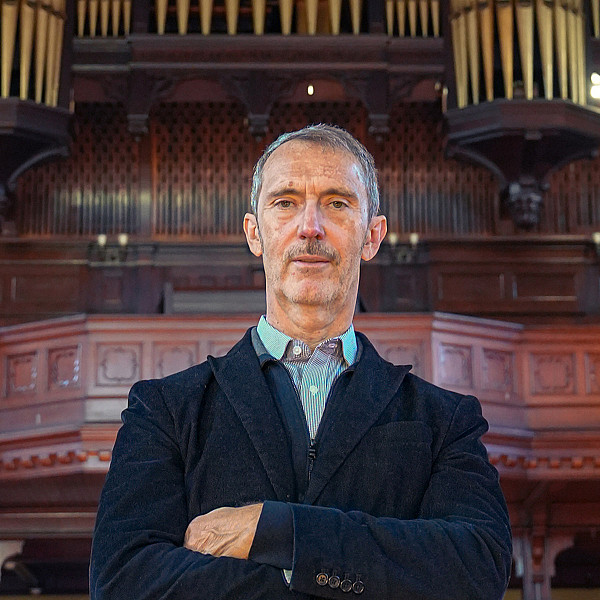
“Midnight Organ,” Steinbach’s annual concert at Brown University’s Sayles Hall, draws thousands of listeners every Halloween night.
I started this 30 years ago. And at that point it was pretty simple. You could have lit candles in the room then and I had a candelabra on one side of the organ console [in the balcony] and a jack-o’-lantern on the other, and it was pretty simple. Well, I decided let’s make it more fun. So I started dressing in costume and wearing a cape and eventually students said, ‘if you can get a coffin, we’ll carry you in the coffin.’ So, this whole shtick developed that I’ve been performing this recital since Brown was founded in 1764 and I’m brought back from the dead every year to perform this recital.
So the students have to perform this ancient rite where they are pallbearers. They put me in the coffin and try to see if they can get me to rise from the dead to play the annual recital. And they’ve been successful thus far. So who am I to argue? We do different things every year depending on what the student group is and what they think we could do. So now we have the coffin on display. As people are entering the hall, they can pay their homage to the coffin and it creates this mystique of ‘who’s in the coffin?’ Because it’s always a new group of students too every year. So they don’t know the practice of it.
Now it’s become such a big hit that we have to turn some students away. We let in 450, the maximum capacity in this hall. But it is live streamed. So anyone can watch it. You don’t have to be a Brown student. You can watch it in real time at midnight from the comfort of your living room. And students that don’t get in can watch it from their dorm. I hear that people have Halloween midnight organ recital watching parties and alums write music.
The other cool thing about the midnight recital tradition is not only do I come in costume, but everyone can come in costume and many students dress up. And in lieu of traditional seating, we get rid of all the chairs. This hall has flexible seating. It’s an old Victorian 19th century hall. We move all of the chairs away and the students bring blankets or sleeping bags and lie on the floor. So they’re looking up at this incredible beautiful wooden structure — the ceiling — and you’re looking up at the pipe organ in the distance, and they can just hang out and we turn down the lights. I don’t know what they’re doing down there, but a couple came to me a few years ago during alumni weekend and said ‘we met 20 years ago at your midnight organ recital, and we’ve been married for 20 years.’
The organ is an ‘orchestral organ,’ as we say in the business.
According to Brown, the Hutchings-Votey Organ was donated to the school in 1903. ‘To receive the organ, which weighed about 25 tons, the old gallery in Sayles Hall was replaced by a new one with a projecting center… The Hutchings-Votey Organ has three manuals, with fifty-one speaking stops, more than three thousand pipes, wind reservoirs,and over one hundred miles of wiring. The swell and choir organs are enclosed in separate swell boxes.’
I frequently involve a special act in the concert. It’s mainly classics, but also some modern pop classics thrown in. Last year, I had students sing one piece with the organ; they did Monster Mash. This year I’m having a surprise guest come in and read a poem.
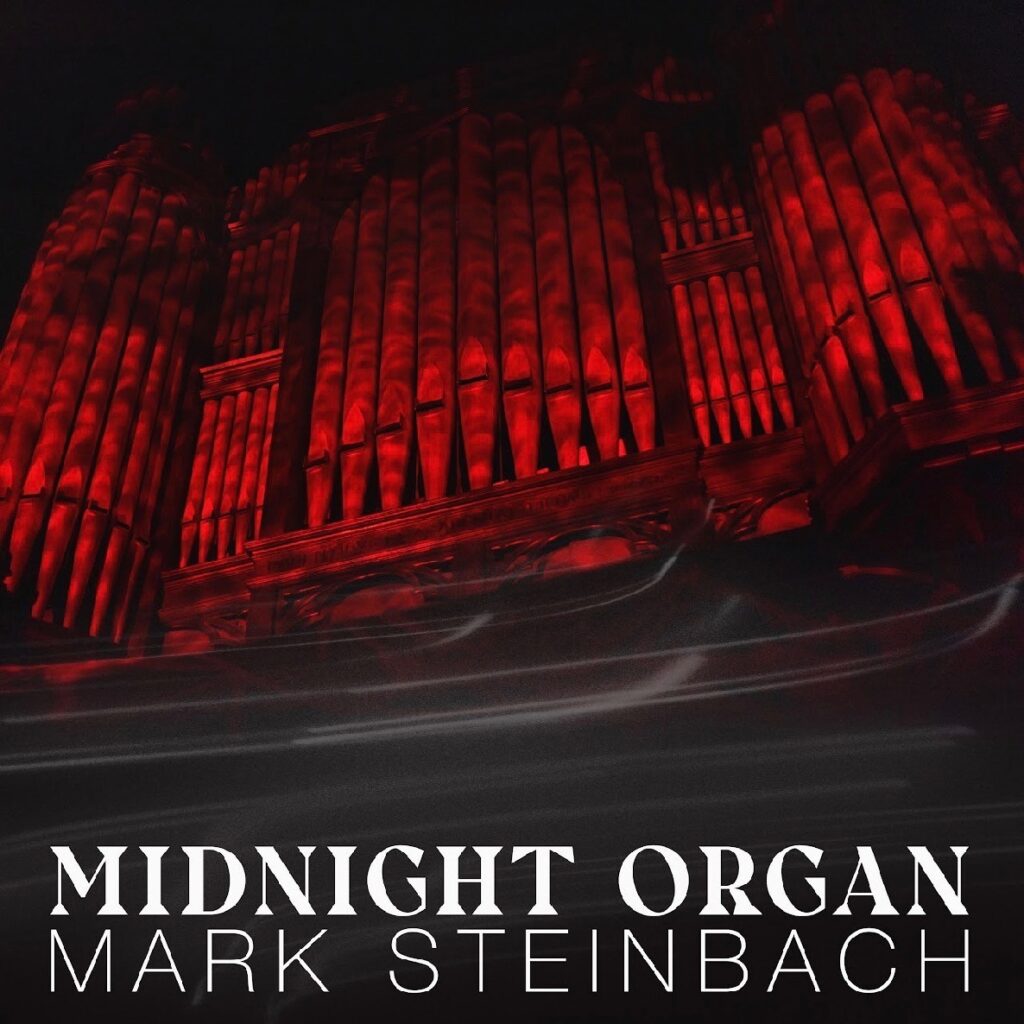
Steinbach recently released an album he recorded on the Hutchings-Votey Organ: Titled “Midnight Organ,” it includes 18 tracks that Steinbach has played at Halloween recitals.
Mark Steinbach is University Organist, Instrument Curator, and Distinguished Senior Lecturer in Music at Brown University. These are edited excerpts from a video interview conducted on Oct. 14.