
Center’s Tracking Report brings vital information to readers everywhere
PROVIDENCE — “Public distrust of public health guidance from the government is being fueled by what seems to be a never-ending, ubiquitous — and dangerous — current of phony science and false claims,” Dr. Jennifer Nuzzo states in the Pandemic Center 2025-26 Impact Report.
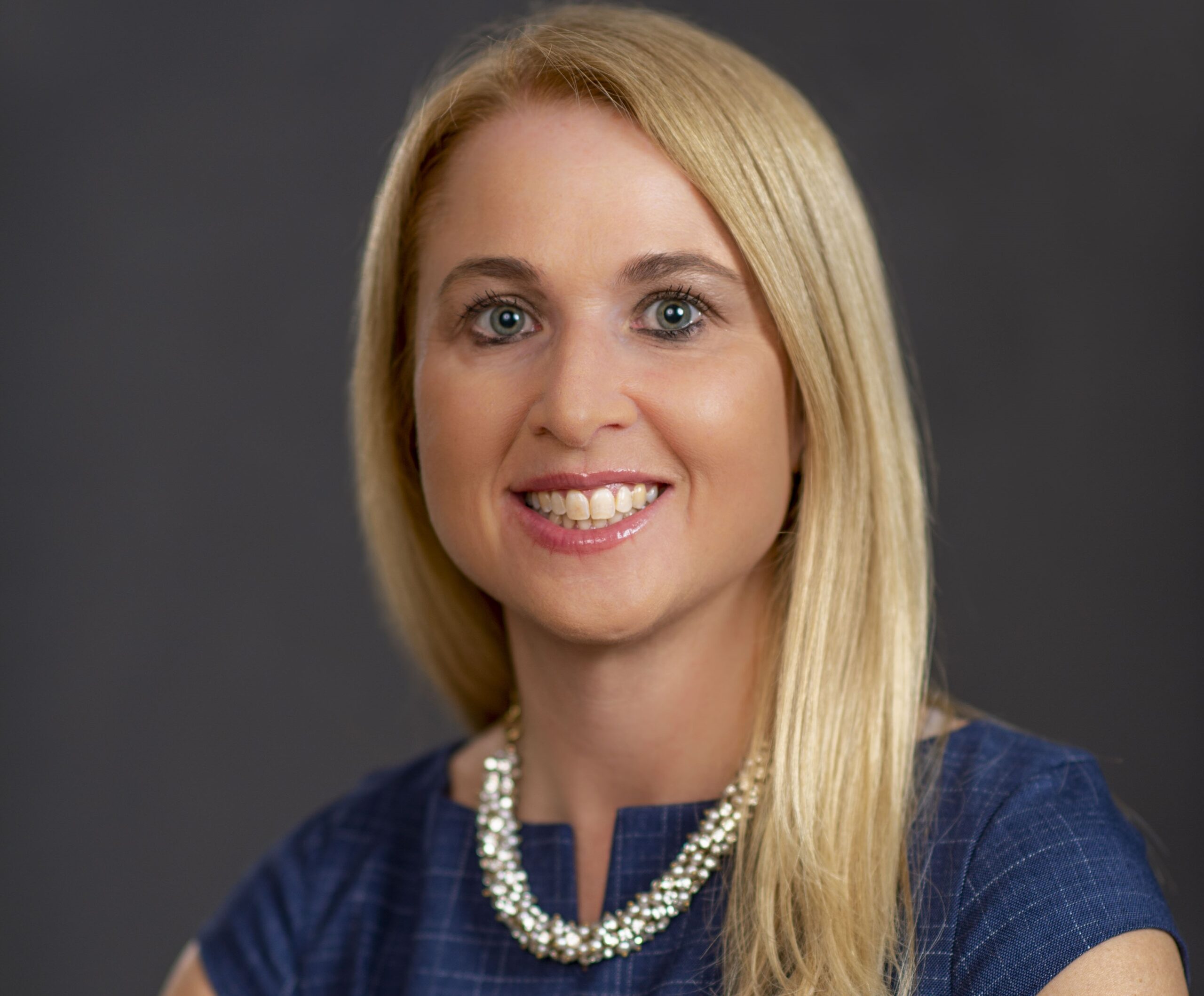
Dr. Nuzzo is the director of the Pandemic Center at Brown University’s School of Public Health. The center is devoted to monitoring infectious disease outbreaks in the U.S. and abroad and offering guidance to governments, organizations, and other entities tasked with protecting lives.
“At a time of head-spinning change and challenge, we are moving forward, meeting this moment and preparing for the next, to help the world better understand and act against the threat of infectious diseases,” according to the center’s Impact Report 2025-2026.
Speaking with Ocean State Stories recently, Nuzzo elaborated.
“The mission of the Pandemic Center is to prevent outbreaks, but if prevention fails, to mitigate the effects of serious biological events and to make societies more resilient to these sorts of events,” Nuzzo said.
“That includes disease emergencies from outbreaks to pandemics—whether they are caused naturally, result from laboratory accident leaks or a deliberate act. We’re trying to prevent these things from happening, but we also recognize that we might fail at prevention.
“So we need to work to make sure societies are ready for these emergencies so we prevent the worst harms — and not just the health harms, but also the social harms, the economic harms, and the political harms,” she said.
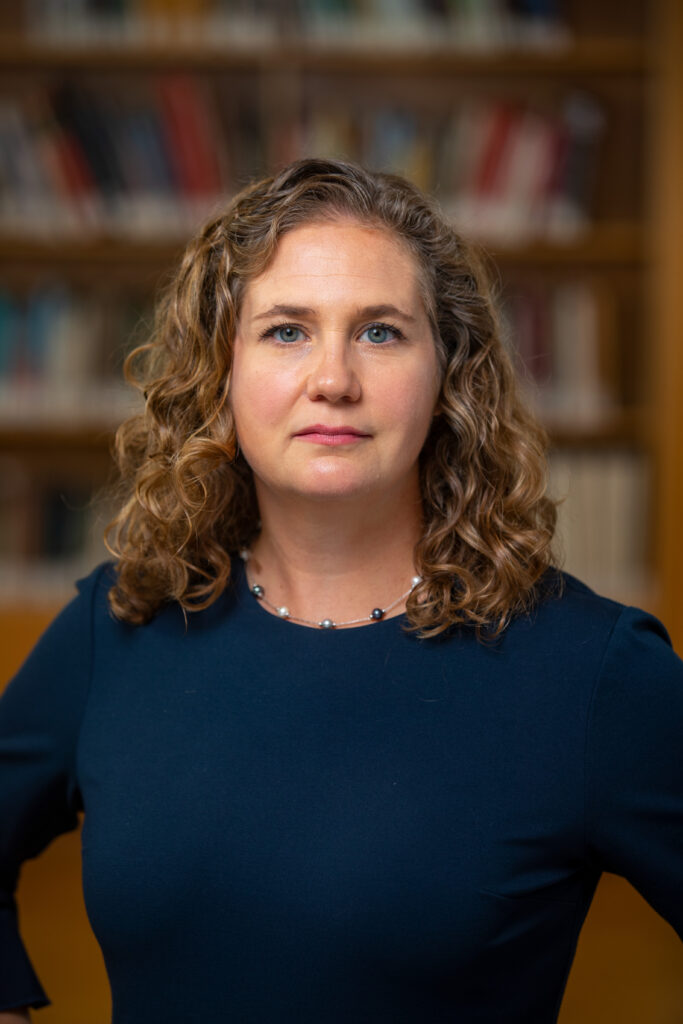
A New Jersey native, Dr. Nuzzo earned a Bachelor of Science degree in environmental sciences from Rutgers University, a Master of Science degree in environmental health from Harvard University, and a Doctor of Public Health degree from Johns Hopkins University.
Before coming to Brown, she was an associate professor at the Johns Hopkins Bloomberg School of Public Health and the Johns Hopkins School of Medicine, and a senior scholar at the Hopkins Center for Health Security. She is a member of the American Academy of Arts and Sciences and the National Academy of Medicine.
Dr. Nuzzo moved from Johns Hopkins to the Brown School of Public Health to create the Pandemic Center in 2022 at the invitation of Dr. Ashish Jha, then Dean of the Brown University School of Public Health, and one of the nation’s leading public health voices during the COVID pandemic.
Dr. Nuzzo’s team at the Pandemic Center, includes three senior advisors internationally recognized in leadership, along with fellows, affiliates, and supporting staff.
One of the most important resources the Pandemic Center offers is the Tracking Report, “a weekly newsletter that aggregates, interprets, and contextualizes published data relevant to domestic and international infectious disease outbreaks, helping readers understand outbreak trends, potential causes of those trends, and how they compare to past outbreaks.” Anyone can subscribe.
Since it was launched two years ago, the Tracking Report readership has grown to nearly 13,000 subscribers in 169 countries, according to Michael Mitchell, a Communications & Outreach Specialist at the Pandemic Center. “The vast majority of our subscribers are based in the U.S.,” Mitchell wrote in an email to Ocean State Stories.
Its reliability has caught national attention, with The New York Times citing the Tracking Report, calling it one of the top five places for accurate health information.
Compilation, according to Nuzzo, is a thorough process. “Our analysts go and search for information,” she said. “Sometimes that comes from state health departments. So, if a state health department says ‘we identified a new measles case today,’ that’s where we get that information. We look at the CDC [Centers for Disease Control and Prevention data] but sometimes it’s not as up to date as what’s on the state websites.”
The reason?
“Sometimes the CDC website isn’t updated because the government has been shut down a few times, and during those times it wasn’t updating certain disease data,” Nuzzo said. “So we go to the states directly.”
Wastewater surveillance data is also important, Nuzzo said, “because that tells us different information than what the case counts tell us. It tells us trends of diseases. For instance, with measles, one of the things we’ve learned is that it often shows up in wastewater before we see it in the public health data.”
Cyclosporiasis, measles, Avian influenza, Mpox and New World Screwworm, all currently seen in the U.S., are among the diseases listed on the Aug. 20 Tracking Report. Overseas, Ebola, Mpox, and cholera are among those of concern.
“Mpox continues to spread globally,” according to the report. “This week, New York City reports an increase in Europe-travel-related Clade I mpox cases; Guinea-Bissau reports an ongoing outbreak affecting children disproportionately, and Hong Kong continues to report additional cases, rounding out to a total of 96.
The latest report highlights another alarming trend: “In the US, 168 cases of measles were reported this past week, a significant increase from the 133 cases reported last week. The 2026 total of 2,961 cases still marks the highest number in any year since 1991. Pennsylvania reported the largest number of new cases (82) this week, followed by Ohio (24), and Wisconsin (18). Kentucky and Iowa reported new outbreaks.”
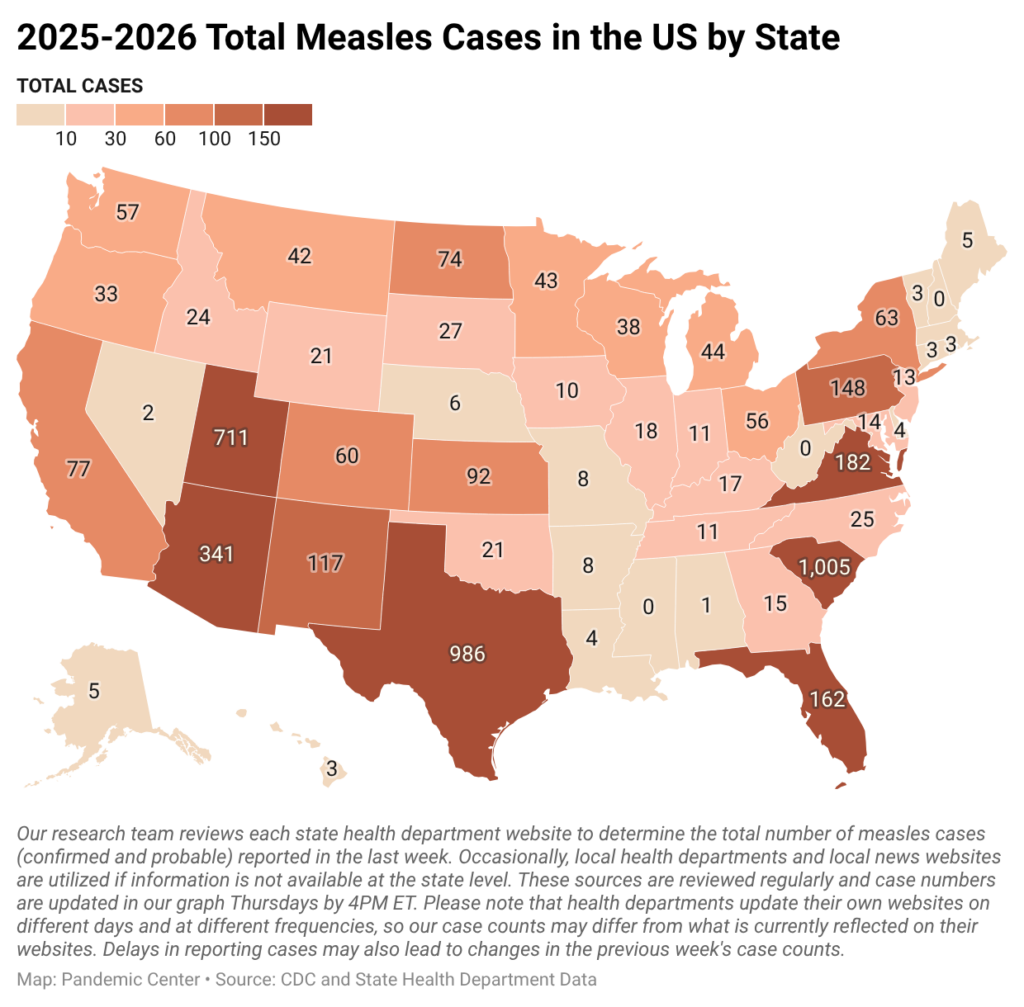
“Why are we in this mess?” Nuzzo said, speaking with Ocean State Stories. “A few reasons. One is that not enough people are vaccinating their kids. National vaccination levels are, they’re lower than what they need to be. They should be 95% or greater in all communities. Nationally, we’re at just under 90%, so that’s not high enough.
“But that national statistic hides what’s really happening in some communities. If your kids are going to get measles from someone, it’s probably going to be a classmate. There are some schools in the US where the measles vaccination rate for incoming kindergartners is something like 14%, and it needs to be 95%.
“Measles is one of the most contagious diseases we have. When it shows up, it kicks off massive outbreaks. Like a wildfire, it spreads quickly. And when it spreads, it’s really hard to stop transmission.”
The consequences can be dire, Nuzzo said.
“Measles kills. It hospitalizes about 10 % of the people who get infected. And even with children who survive their infection, there is a rare but still real risk that they may experience a neurologic complication that could kill them up to ten years later. “
Rhode Island is less vulnerable than other regions of the U.S. According to the state Department of Health, “The risk for a large measles outbreak in Rhode Island right now is low because Rhode Island has a very good MMR vaccination rate. About 97% of Rhode Island kindergarteners have completed the MMR series. Our high vaccination rate provides us with a degree of ‘herd immunity’ in Rhode Island. Herd immunity, also called ‘community immunity,’ is when enough of a population is immune to a disease to make it difficult for the disease to spread.”
At the end of the interview, Ocean State stories posed this question to Nuzzo: “Some experts say the next pandemic like COVID is not a matter of if, but when. Does that ring true to you?”
“Absolutely,” Nuzzo said. She then listed some of the pandemics during the last 125 years:
— The 1918–1920 flu pandemic, also known as Spanish flu. As many as an estimated 100 million worldwide people died.
— The 1957–1958 Asian flu pandemic, which killed an estimated 1.1 million people globally; an estimated 116,000 victims were in the U.S.
— The Hong Kong flu, aka the 1968 flu pandemic. Globally, an estimated 1 million people died, with about 100,000 in the U. S.
— HIV/AIDS. First reported in 1981, the disease has killed an estimated 44.2 million people worldwide. As of 2018, about 700,000 people in the U.S. had died of HIV/AIDS.
— Swine Flu influenza pandemic in 2009. Estimated to have caused 151,700-575,400 deaths across the globe and 12,469 deaths (range: 8868-18,306) in the United States.
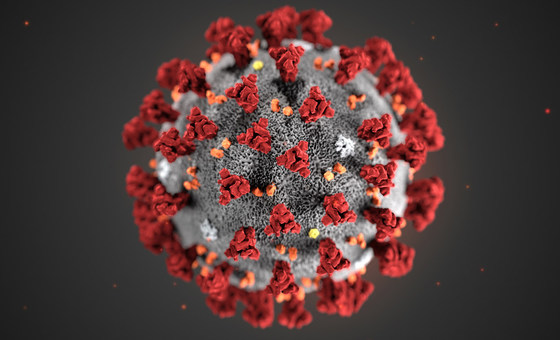
— COVID-19, which worldwide is estimated to have killed18.2 million people. More than a million of those deaths were in the U.S., according to a study published in Lancet. Nearly 4,000 had died by March 2023, according to The New York Times.
In closing the interview, Nuzzo offered advice to Rhode Islanders and others.
“There are a lot of disease news stories out there and it can be really confusing to know what to follow, what to worry about,” she said. “It’s also hard to know where to go to get reliable information. My hope with the Pandemic Center is that we can provide people with the information to make sense of the diseases that they hear about, to know what it means for their families. We are really committed to keeping people informed in an independent, non-political way.”