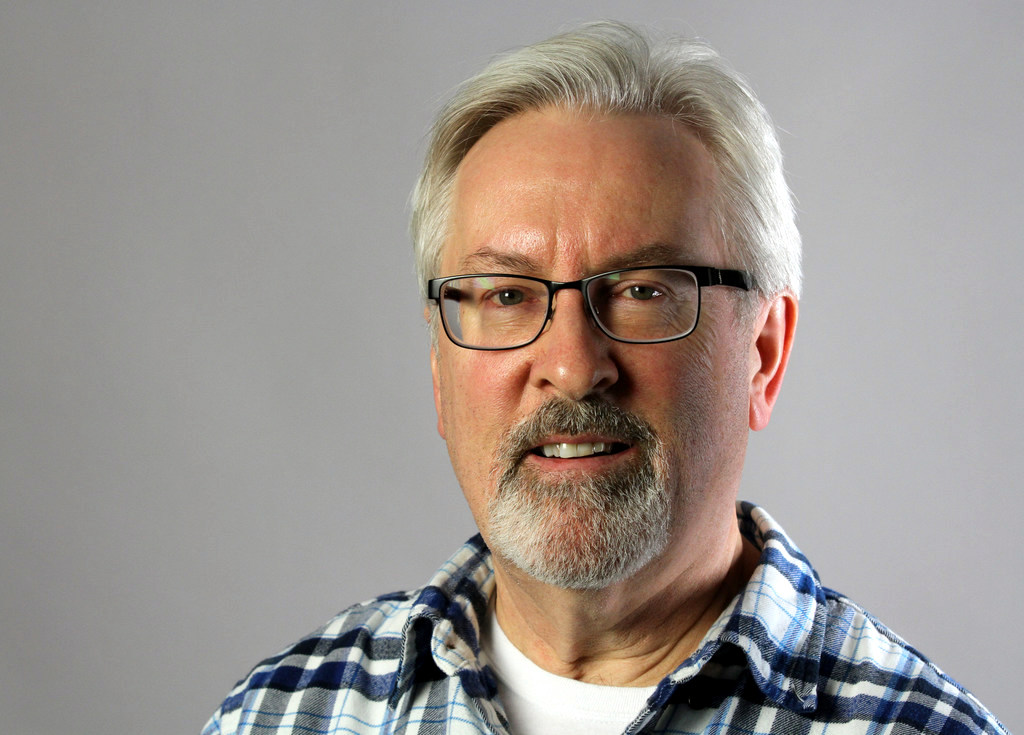
Thanks, Dr. West, for agreeing to discuss the museum. You state on your website that “this is a different museum model.” Please break that down for us.
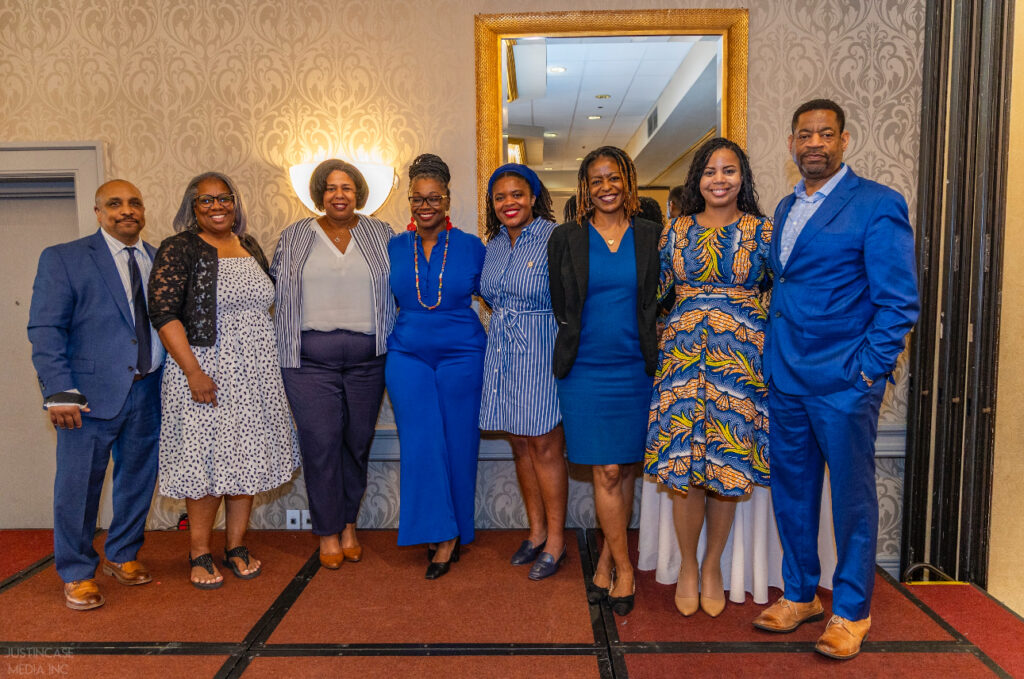
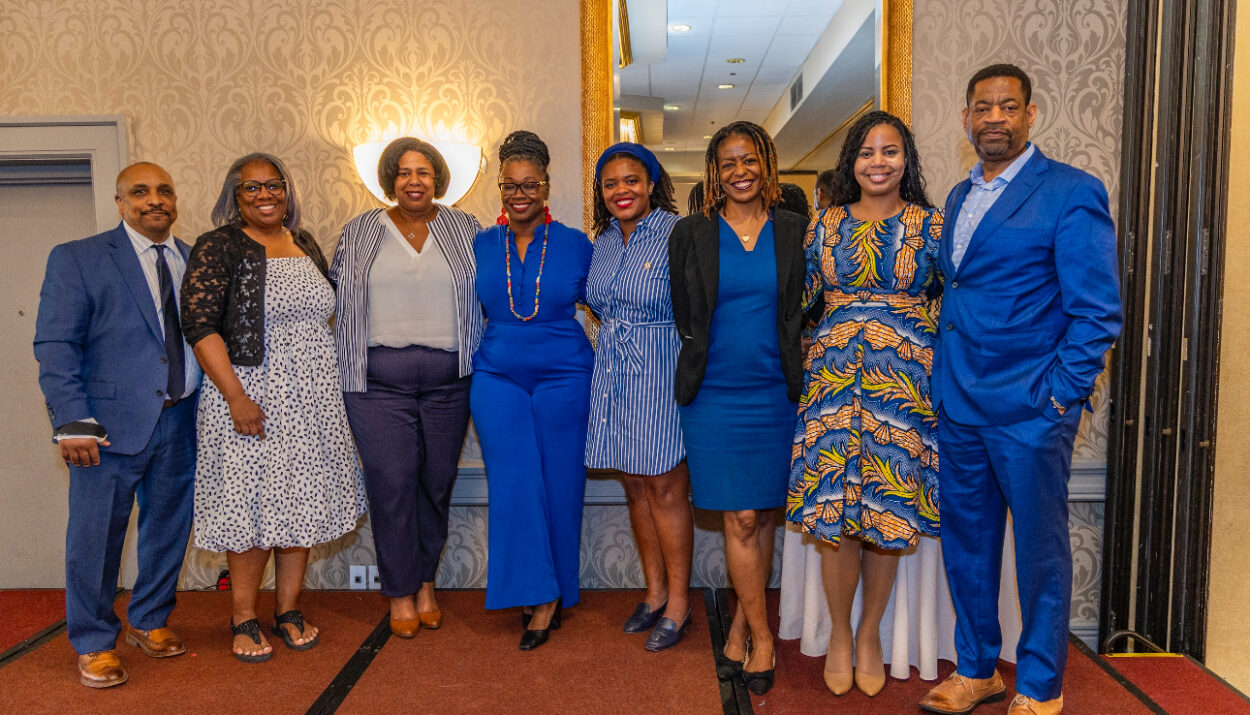
The difference of the African American Museum of Rhode Island is the origin story and its founding board members. Ranging from elected officials: Senator Tiara Mack, to the legal profession, Susan Pires along with Higher Education Wendy Wallace at Brown University with a footprint in housing through the lens of Gloria Johnson and the multi – generational Robert Bailey V and community leader and executive director of Mt. Hope, Helen Baskerville – Dukes, they identified a need to connect youth to the stories of Black communities in the Ocean State.
That core group over twelve months developed a vision for the museum, filed paperwork to establish a 501c3, They established a digital presence on social media, brought on an executive director and initiated pilot programs with youth to test our model of workforce development and cultural artifacts. The research from those pilot programs contributed to elements of our first exhibition.
Crafting stories in the contemporary creative landscape requires youth to understand the value of intellectual property, oral history, digitization and the diligence and detail to build the provenance of an object. Simply put, if we help youth to see, document, narrate and share the stories of the people and places around them they will have skills of research, analysis, writing to benefit their lives.
What are the museum’s visual exhibitions?
The aesthetic of the museum is established by the inaugural curator Dr. Melaine Ferdinand – King, an extraordinary talent that the museum is blessed with her vision as we open on 500 Broad Street. It is a humble storefront space that served as a WIC service office and is in a prime walking location in the community. Dr. Ferdinand – King has a gift for dense storytelling in discrete spaces and we have gutted the space for a black box with track lighting and additional walls for the exhibition.
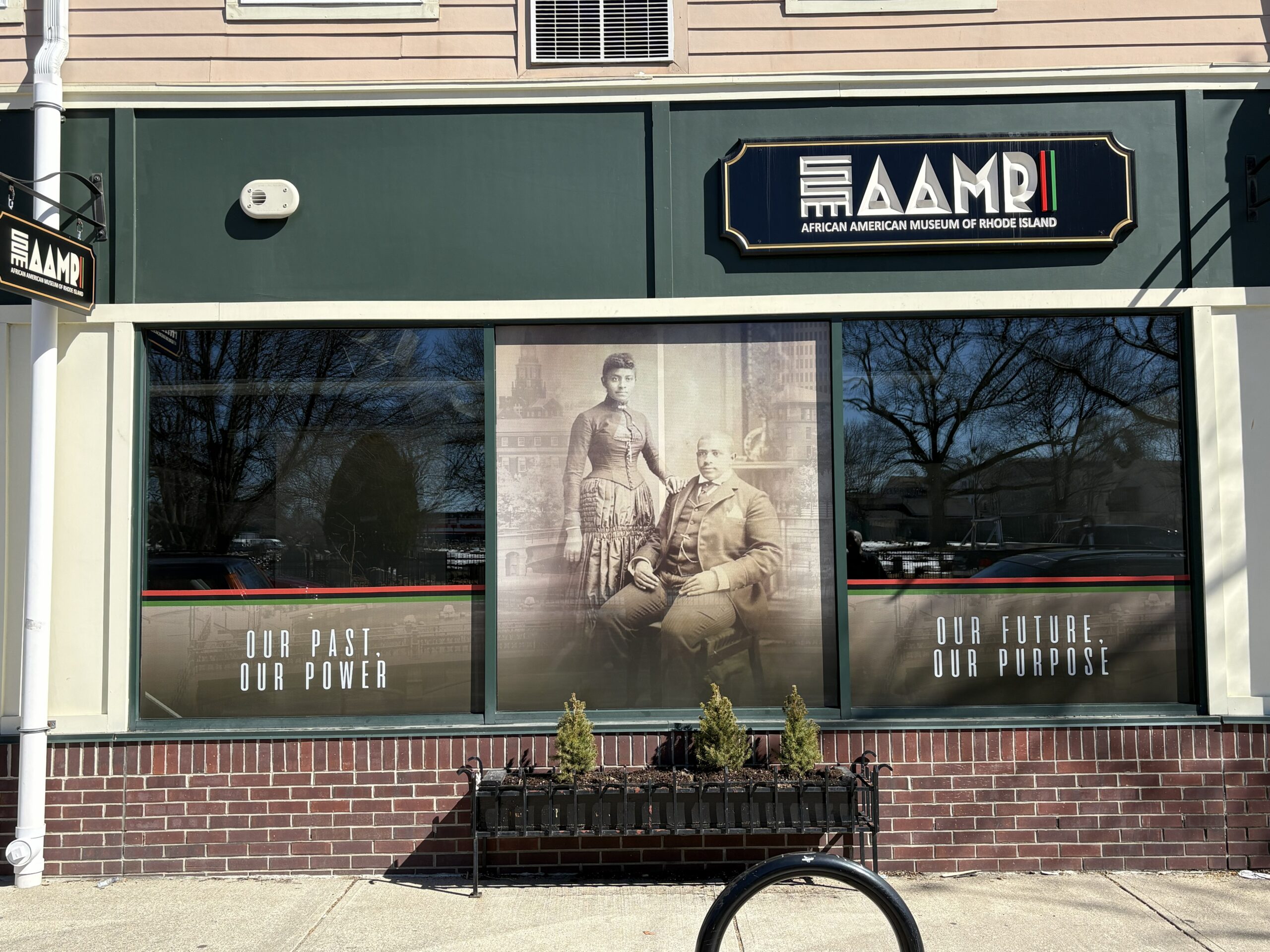
Welcome To The Neighborhood: Black Providence in Art and Archives (1940s – 1970s) combines images of those neighborhoods through the lens of photographer Omar Bradley, the documents of the Urban League and maps of the movement of Black communities in Providence during this time period.
This is a profound quote we found on your site: “History doesn’t happen to us. We make it, we shape it, and at AAMRI, we pass it forward.” Can you expand on that?
It is best described by our pilot project with Community College of Rhode Island centered on the story of Arthur J. Black. If we are in the future to create digital creations and representations of previous cityscapes how do we know if we have an adequate dataset to build that frame? And as youth learn to interrogate, research and tell “hidden” stories of the past it will shape how they see their own present and provide them tools to shape their futures.
The threads of Arthur J. Black life extends to the migratory patterns of sharecroppers of the South Eastern US migrating north in the late 19th century. His life quilt includes threads through the two decades in the US Navy including serving as a supervisor on the Panama Canal, to Guantanamo Bay, Cuba and eventually 1920s Providence, Rhode Island.
Collaborating with researcher and writer D.J. Johnson we are creating the meta data record of the world in 1920s Black Providence communities. Conceptually, the decentralization of libraries and the opening of archives means we need a new card catalog for the future. Youth working on this endeavor of constructing this digital world will both learn and amplify what is typically in the memories of elders and in the basement and garages of families. That work they can share out via their social media platforms and provide for their networks artifacts that are grounded in the stories and lives and laughter of those communities of the past.
Young people are an integral part of the museum’s mission. How so?
The work of the museum over the last 15 months centered on a research question: Is there an interest and need for contemporary youth to connect to this history and is there a mechanism to align that with the needs of a community based museum? We recently published an article in the Providence Preservation Society that documents the success of one of our pilot programs at the Metropolitan school – Liberty Campus.
That story of Ma Ferrell is a process of working with youth to develop a research question, conduct secondary research, a presentation and then follow up interviews with community elders and deciding the artifact that THEY wanted to learn more about. We aspire to continue that work both in our new location and as we move into 2026 and the future
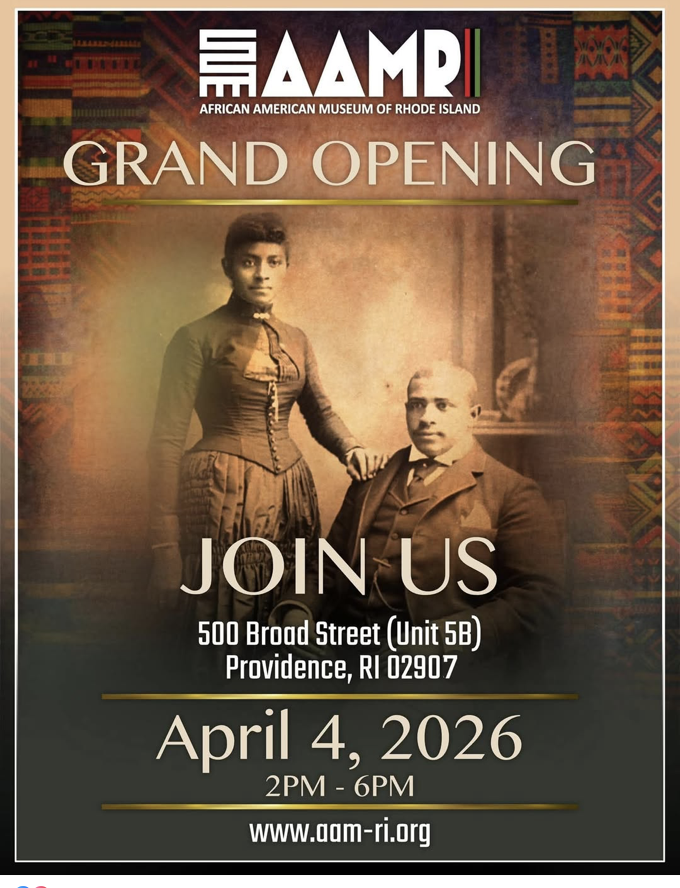
The museum will open its doors on April 4. Please give us the details — when, where, and is everyone invited?
We are holding a celebration of our opening on Saturday April 4th 2:00 – 6:00 p.m. in two locations to accommodate what we anticipate will be a large crowd. The speaking program along with vendors and free food will be available at Oasis International on 600 Broad St. with the official ribbon cutting at 500 Broad Street. At 4:30 p.m.
Anything we missed?
No just a thank you for the opportunity to share our story.